
Chronicles from the Salone.
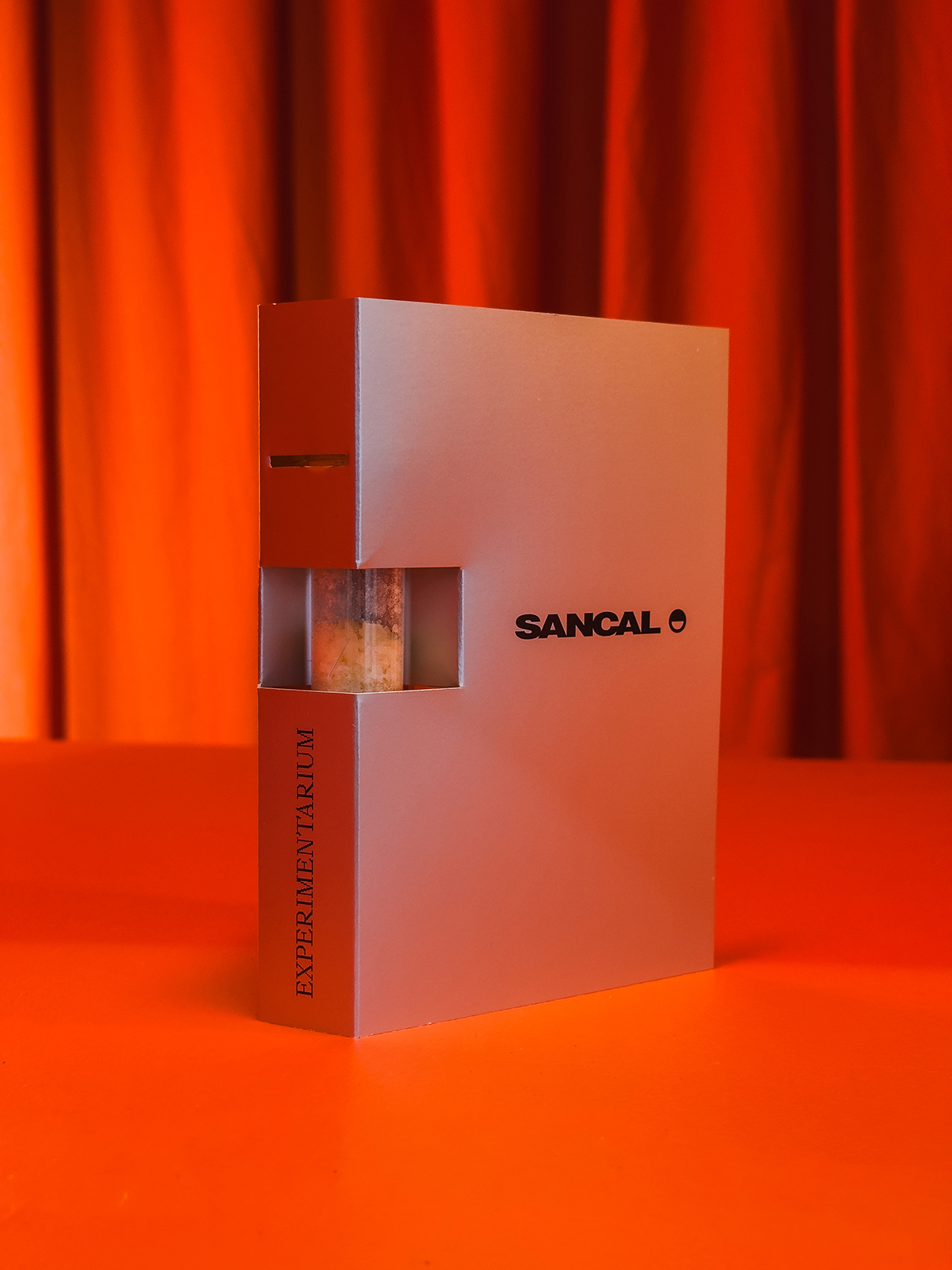
With the concept Experimentarium, Sancal welcomed visitors to the Salone del Mobile with a firm declaration against cultural flattening. The goal? To foster creativity through experimentation, guided by the values of the scientific method to move beyond the uniformity of trends.
Algorithms, with their apparent kindness, decide that the best path is the one we already know works, the predictable, the comfortable. However, when everything is focused on “liking,” creations begin to look suspiciously alike. It is always easier to understand what sounds familiar, while the disruptive and truly creative disconcerts us and is difficult to assimilate.
It is worth remembering that no human advancement, whether scientific or cultural, was ever born out of comfort. All progress begins with someone doing something that no one had attempted before.
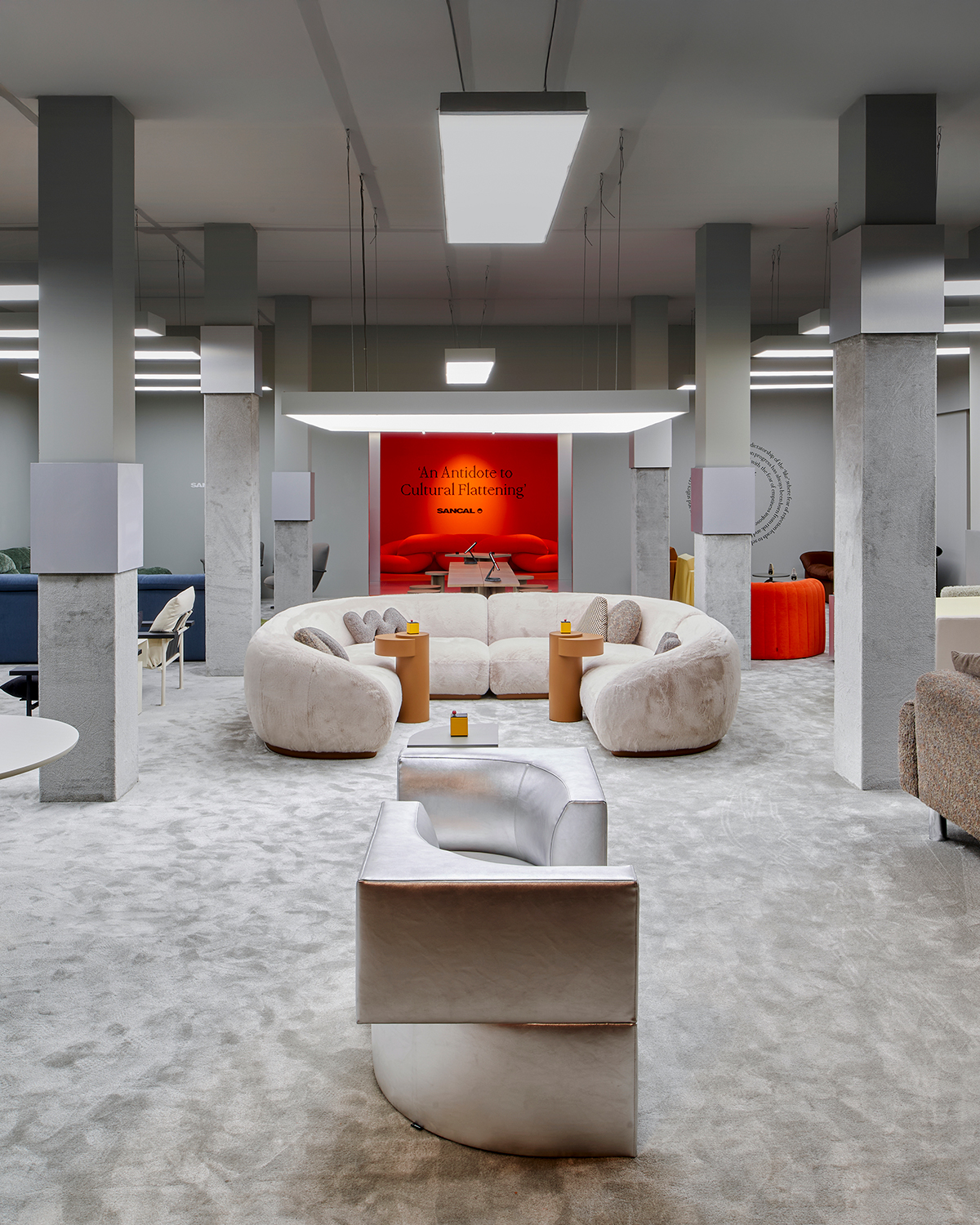
Under this concept, the team led by Esther and Elena Castaño-López built a scenography for the Salone del Mobile that recreated a temple for experimentation: Experimentarium.
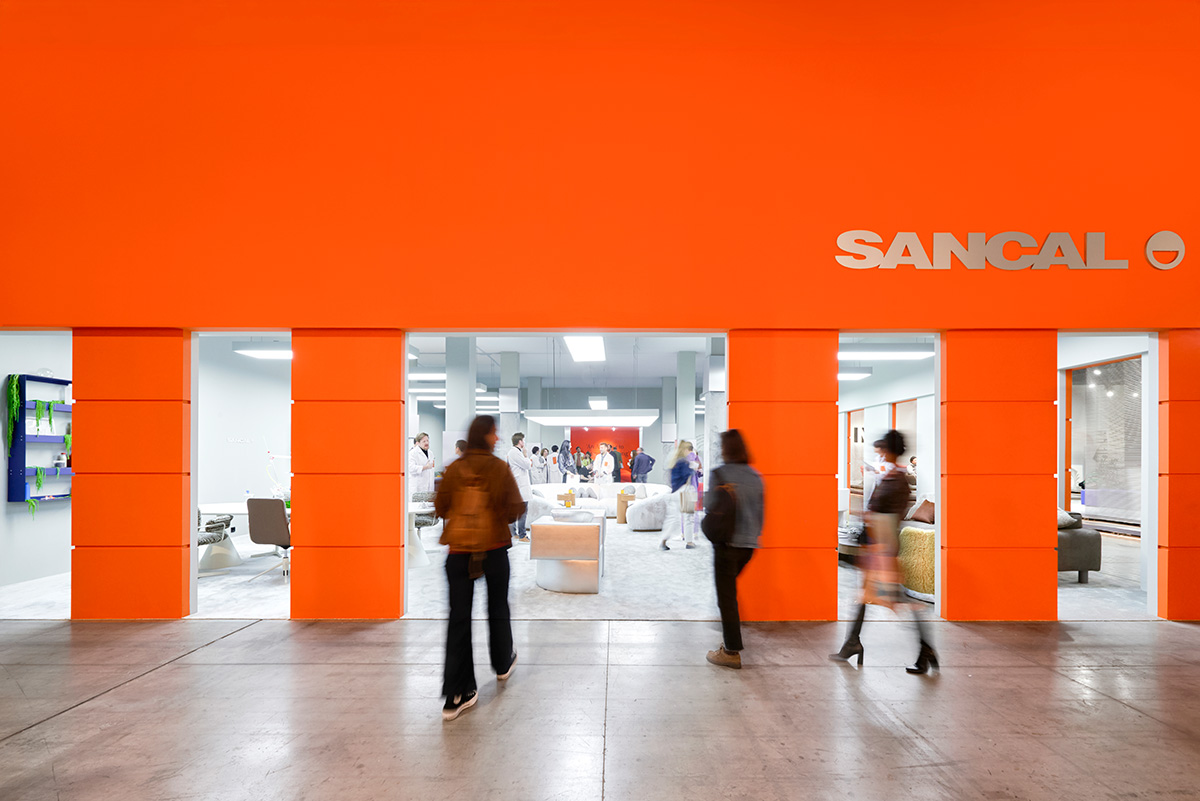
The experience began with a facade of orange columns that acted as a psychological filter: the noise and uniformity remained outside; the experimentation began within.
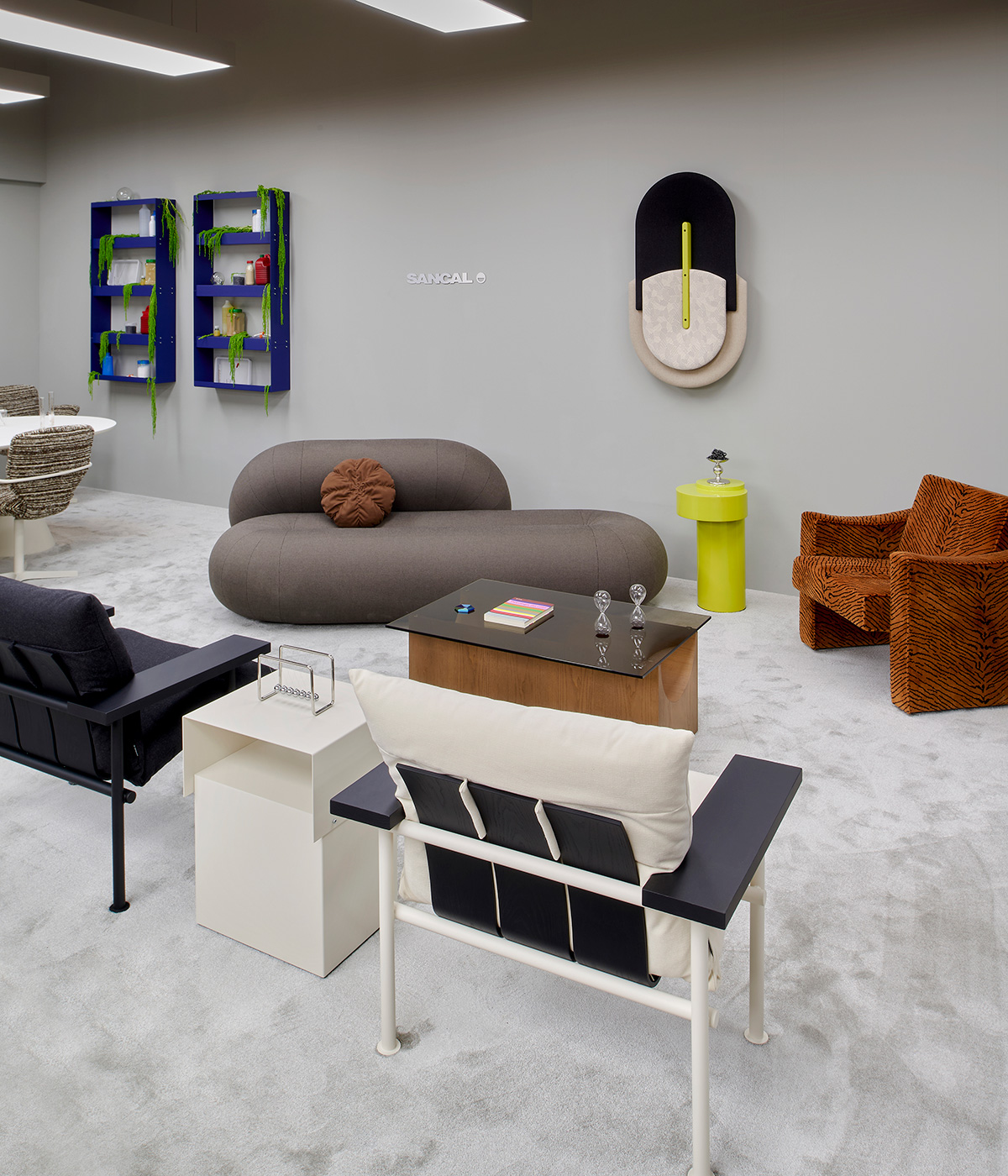
The first zone greeted visitors with the technical neutrality of a laboratory, thanks to the specific clinical lighting employed.
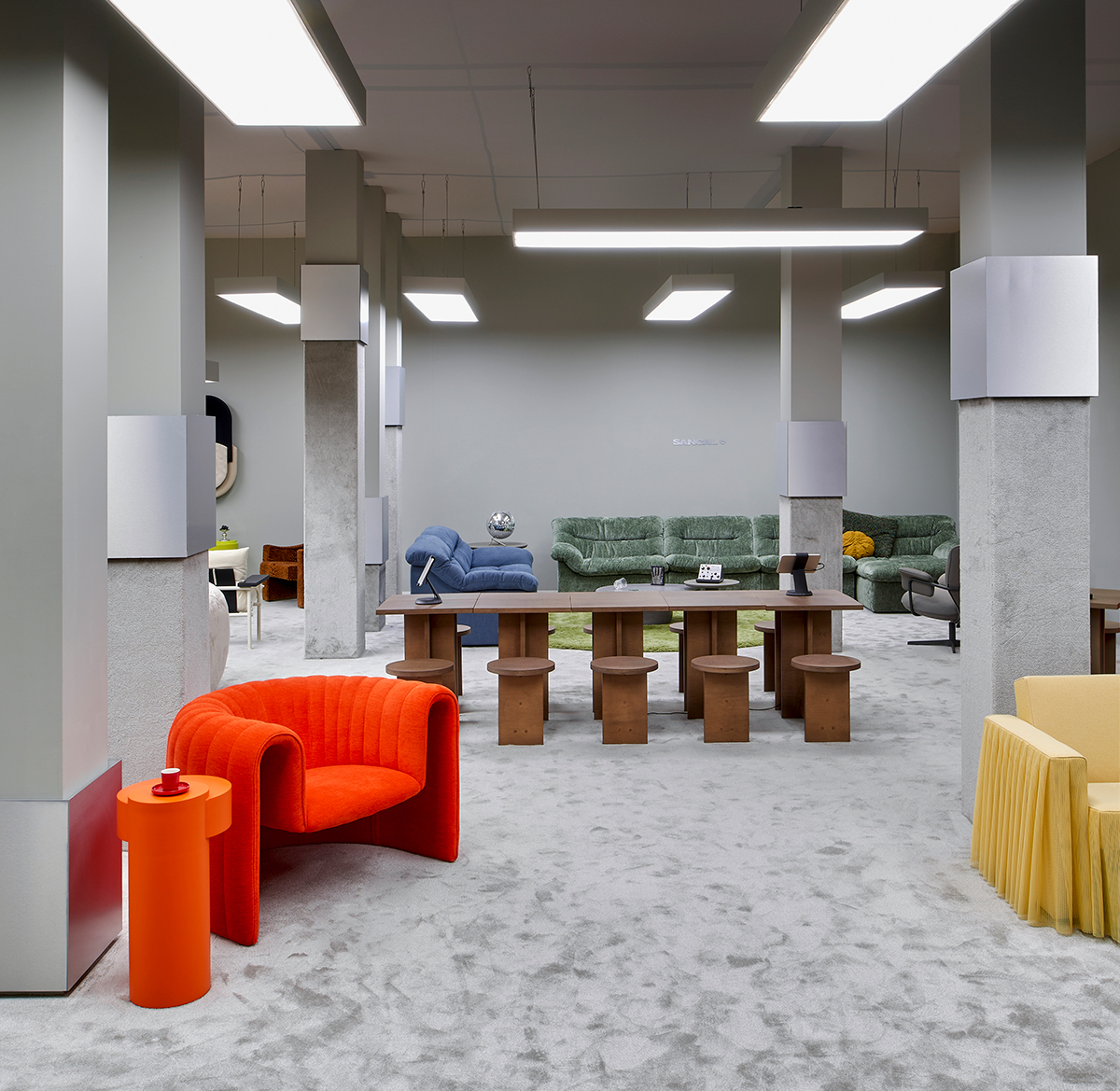
In this environment, each piece called for an action.
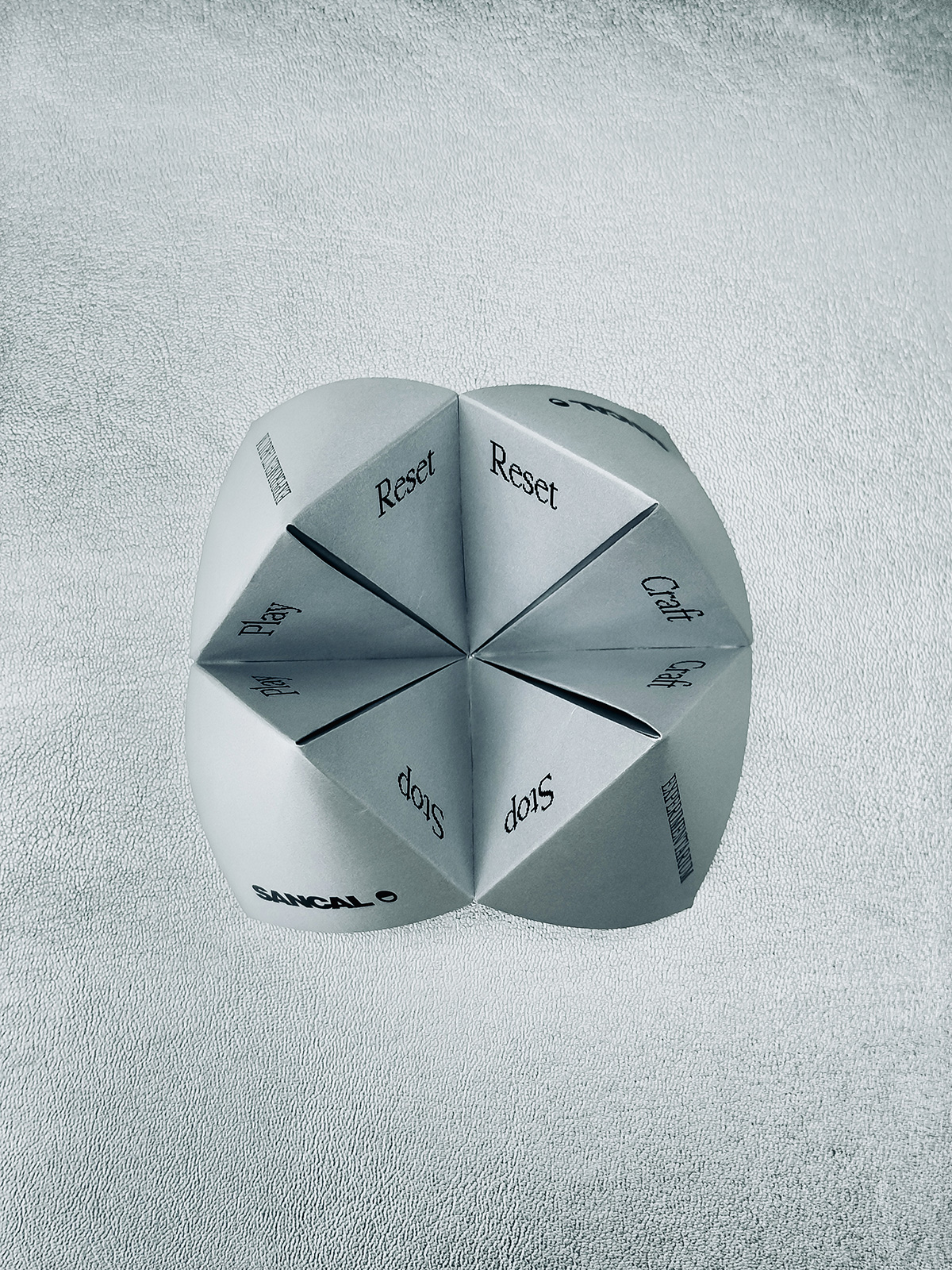
Mimoso by Note (design studio) issued an imperative: STOP. In a world that hijacks our time, stopping becomes an act of subversion. Creation needs boredom to digest complexity and reclaim silence.
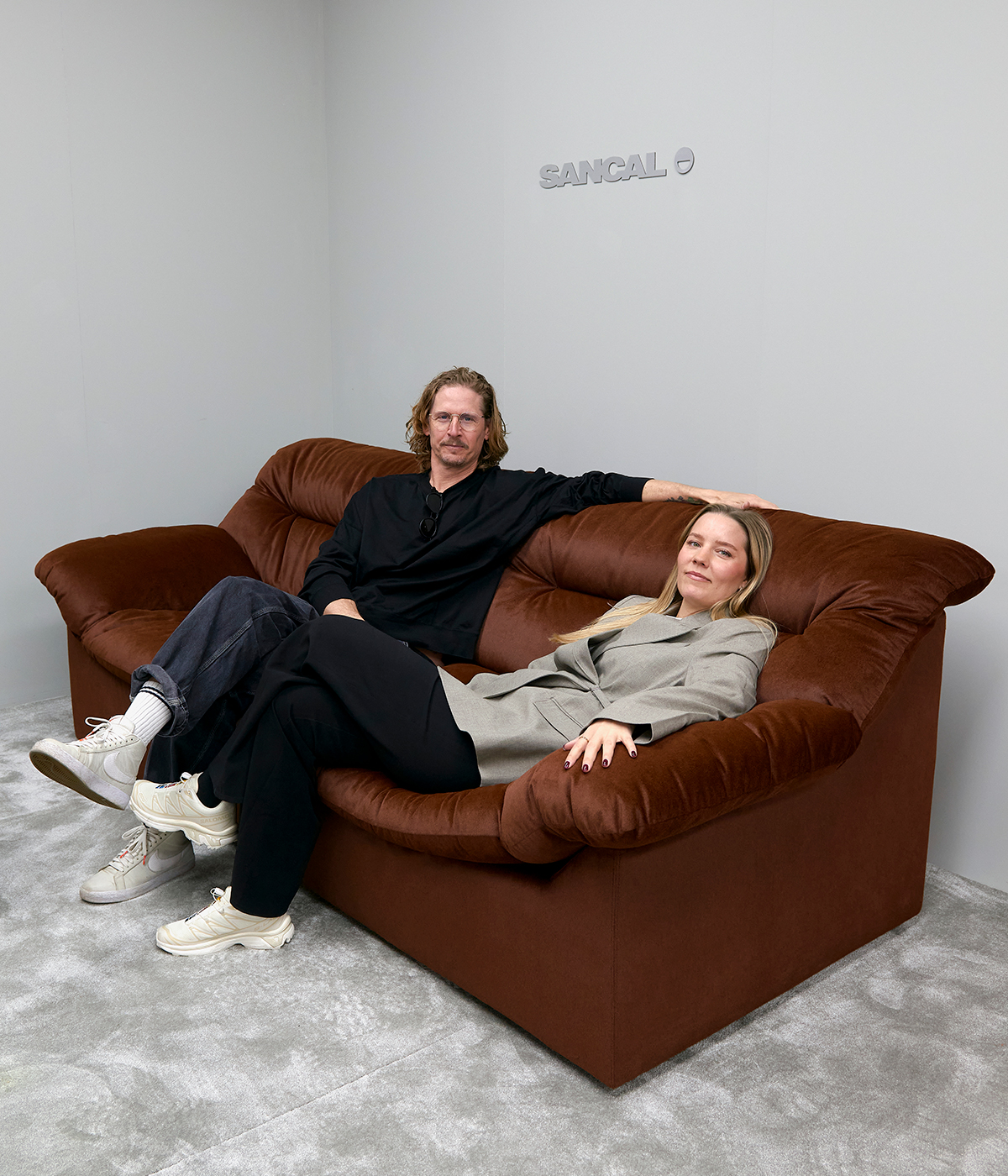
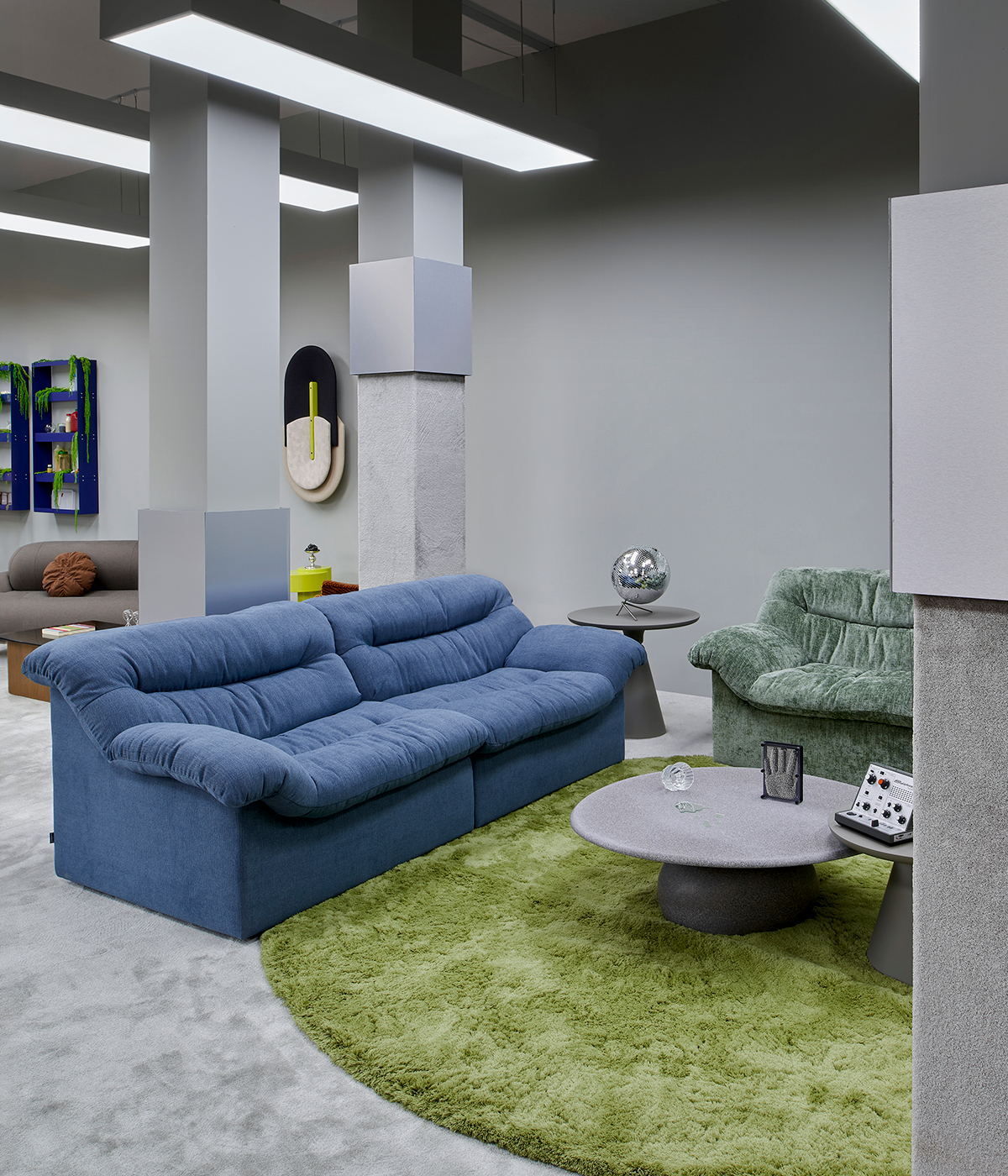
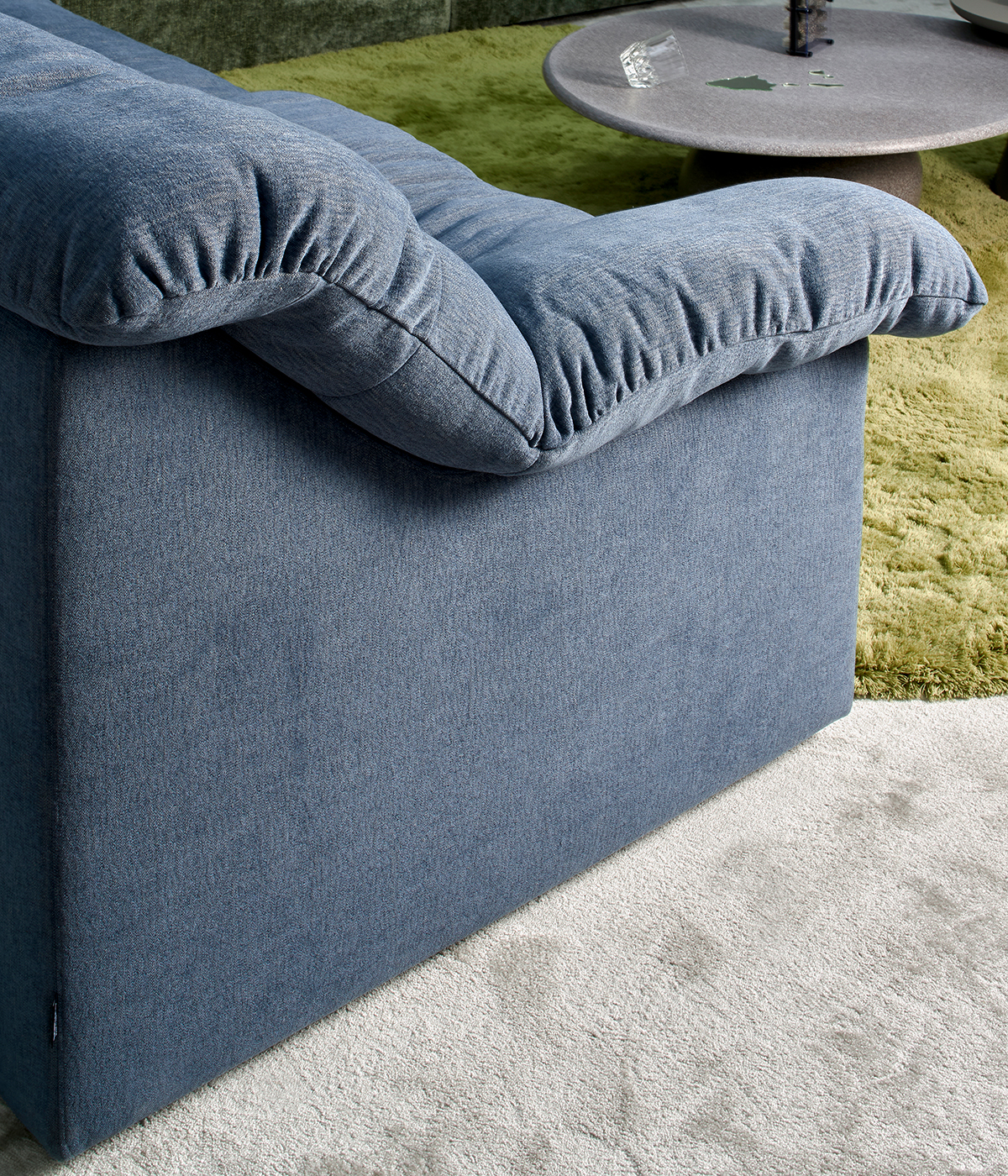
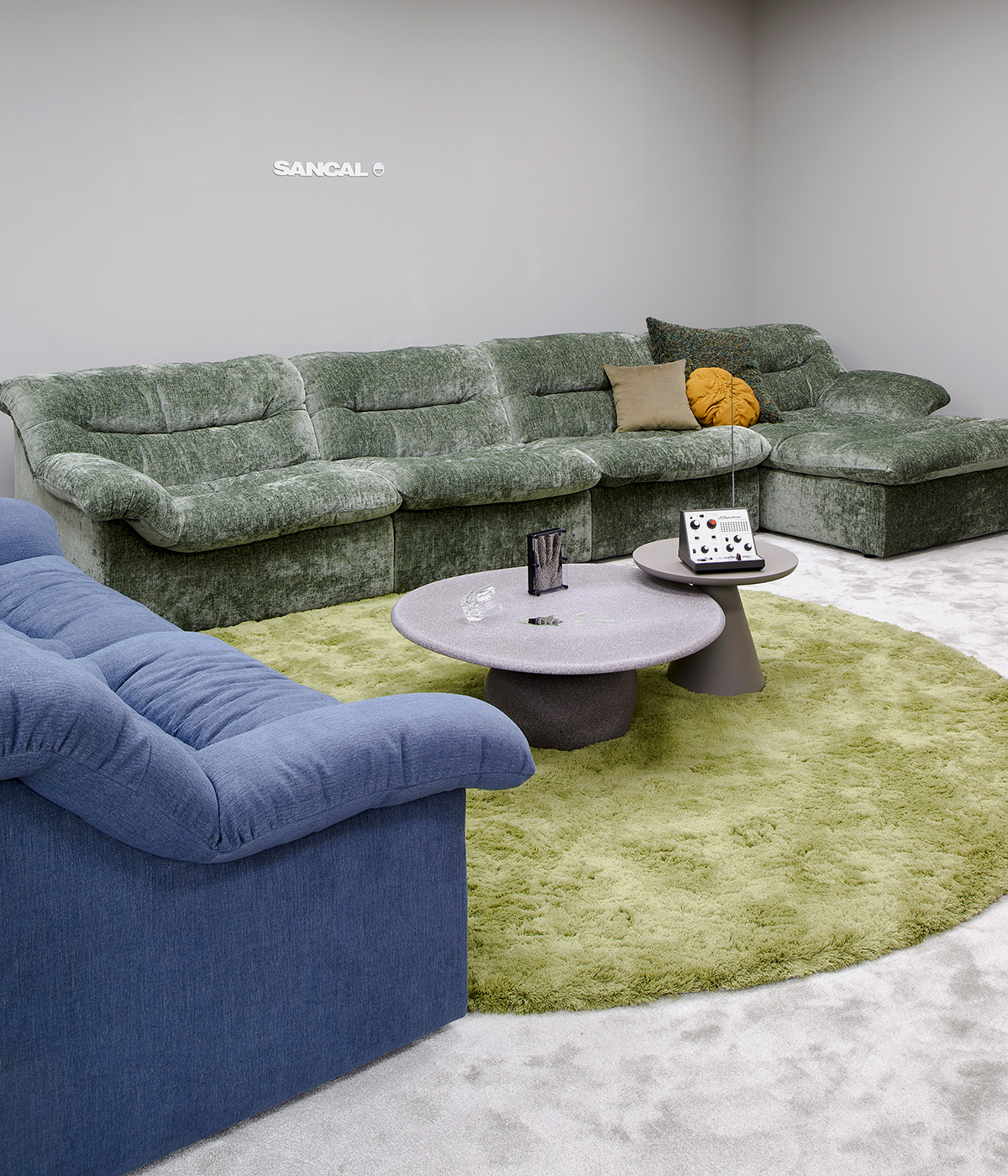
Twins by Júlia Esqué invited us to PLAY. An exercise in mental cleansing that removes filters and recovers the capacity for wonder to imagine without fear.
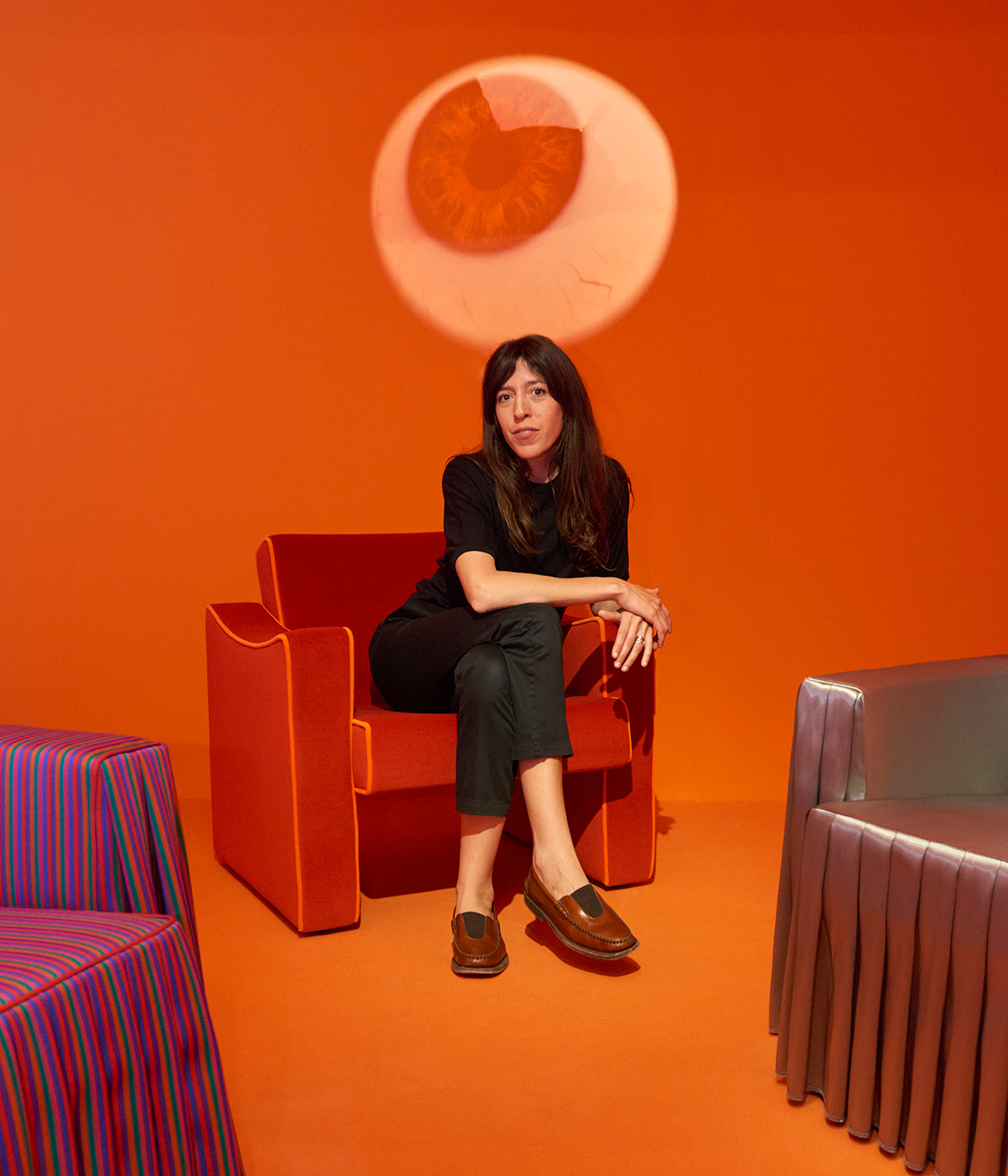
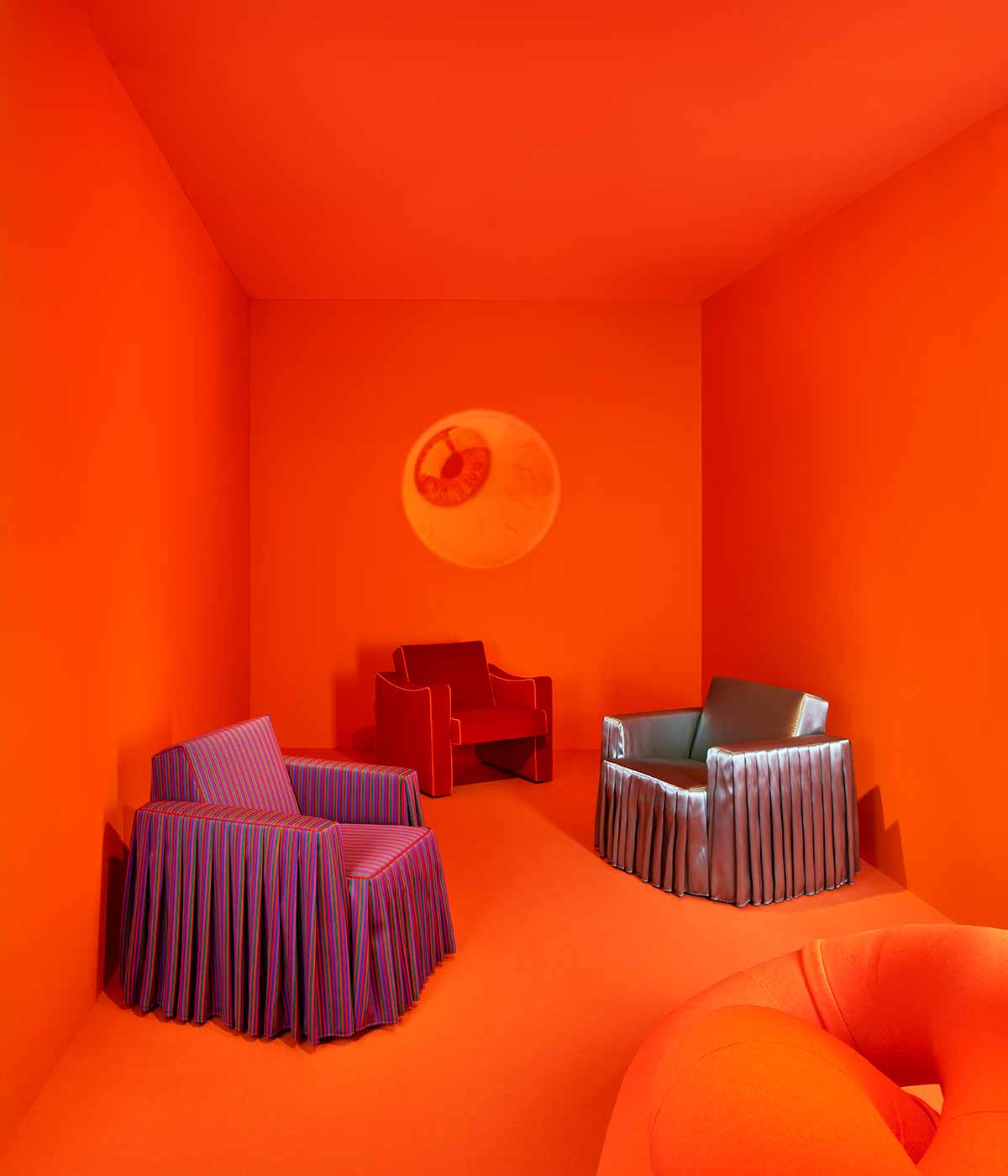
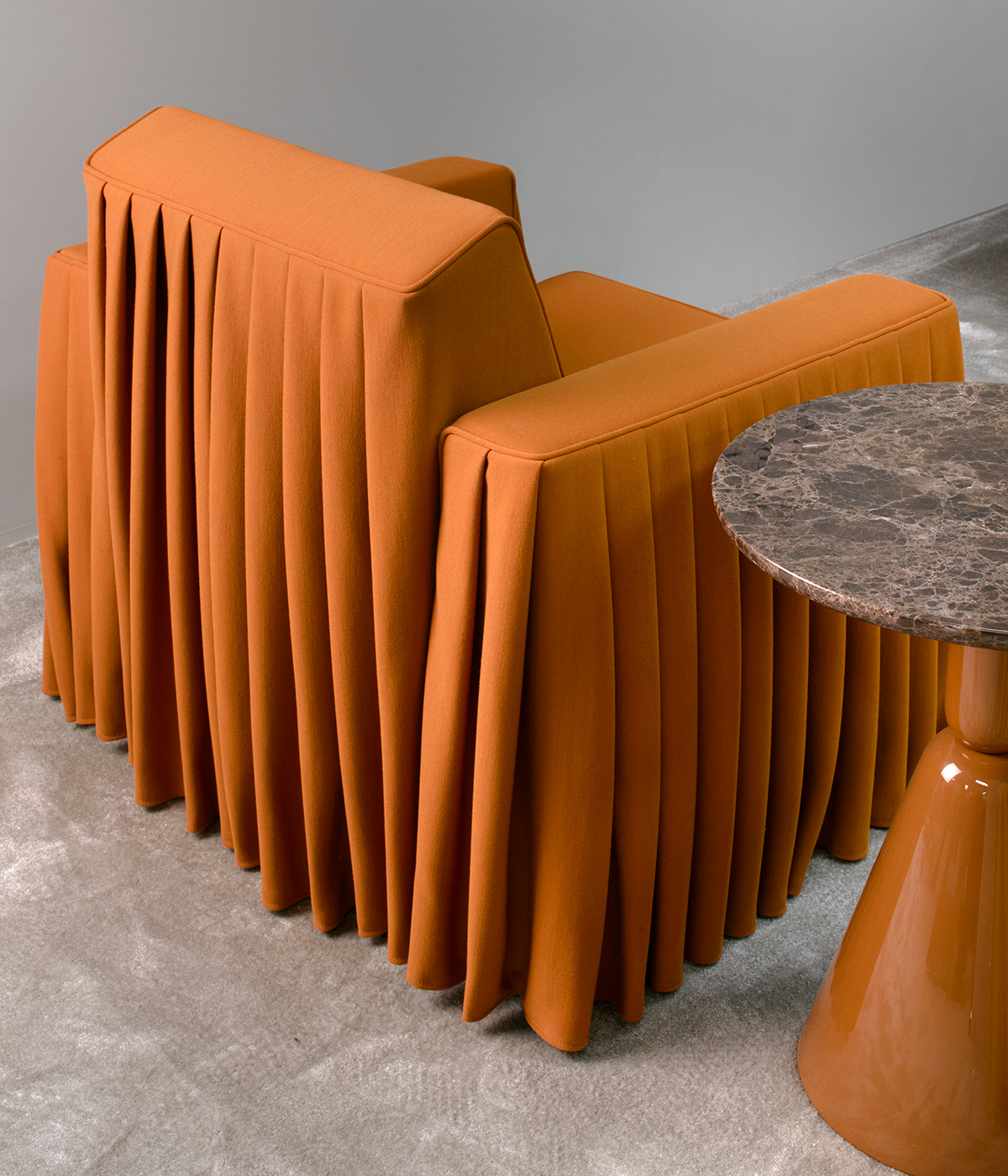
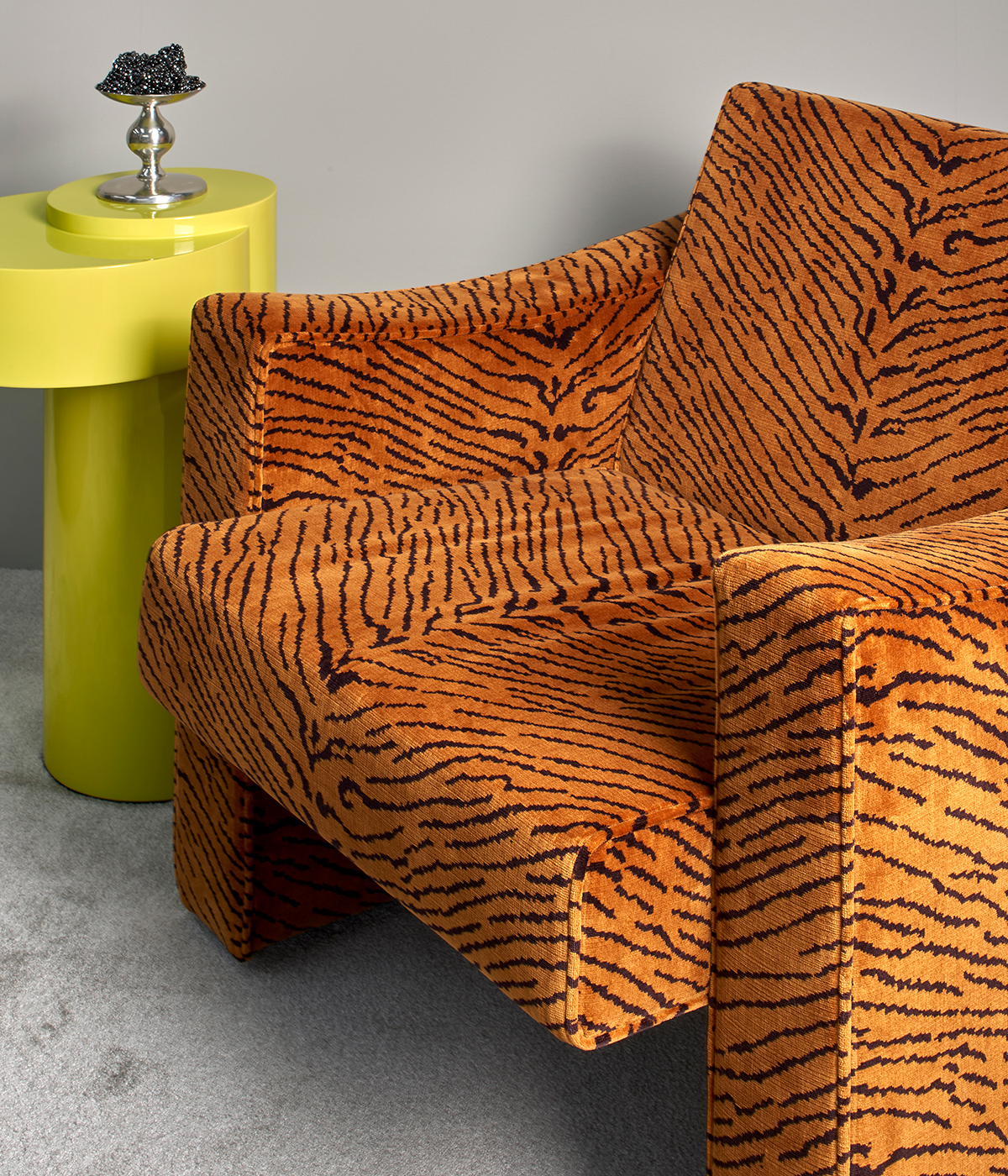
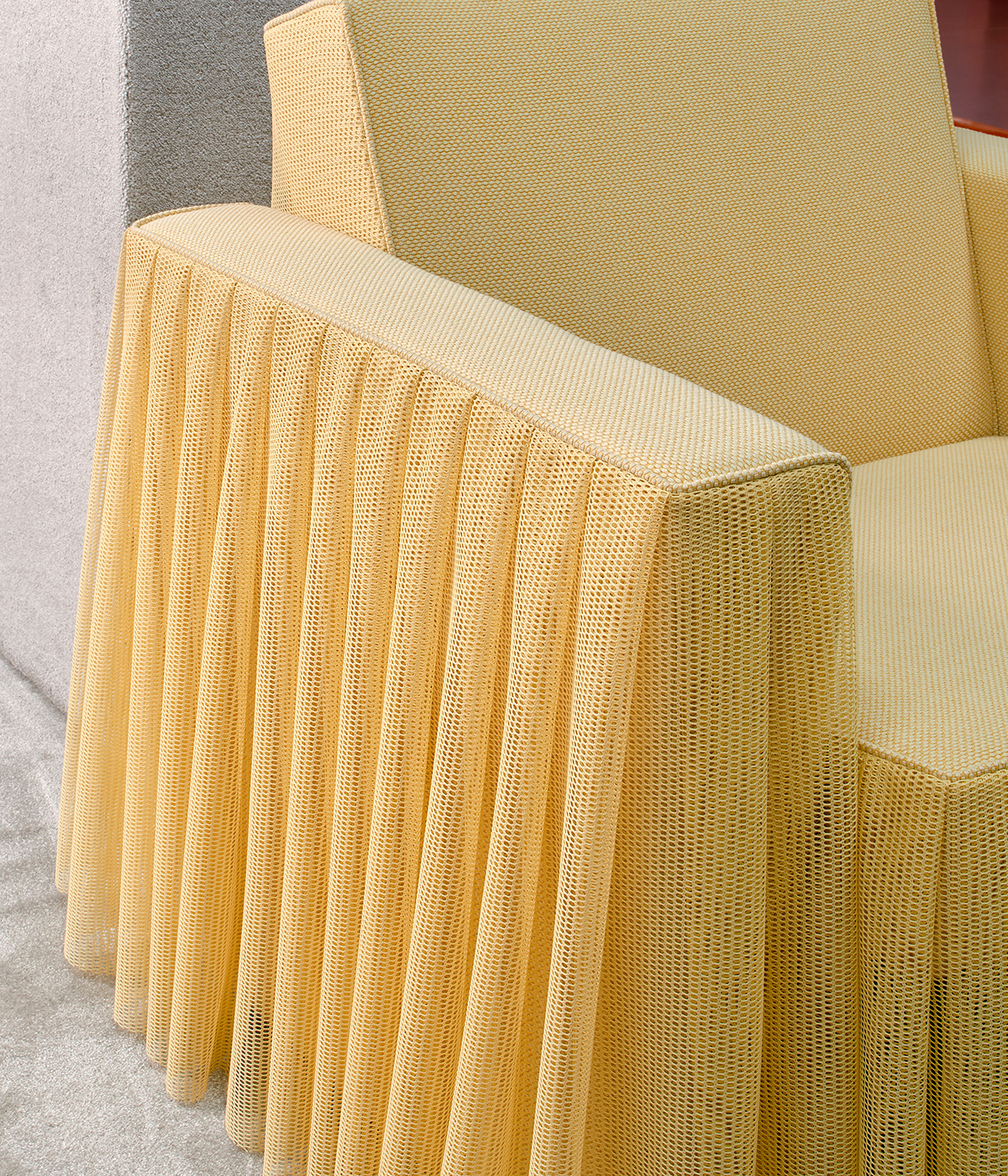
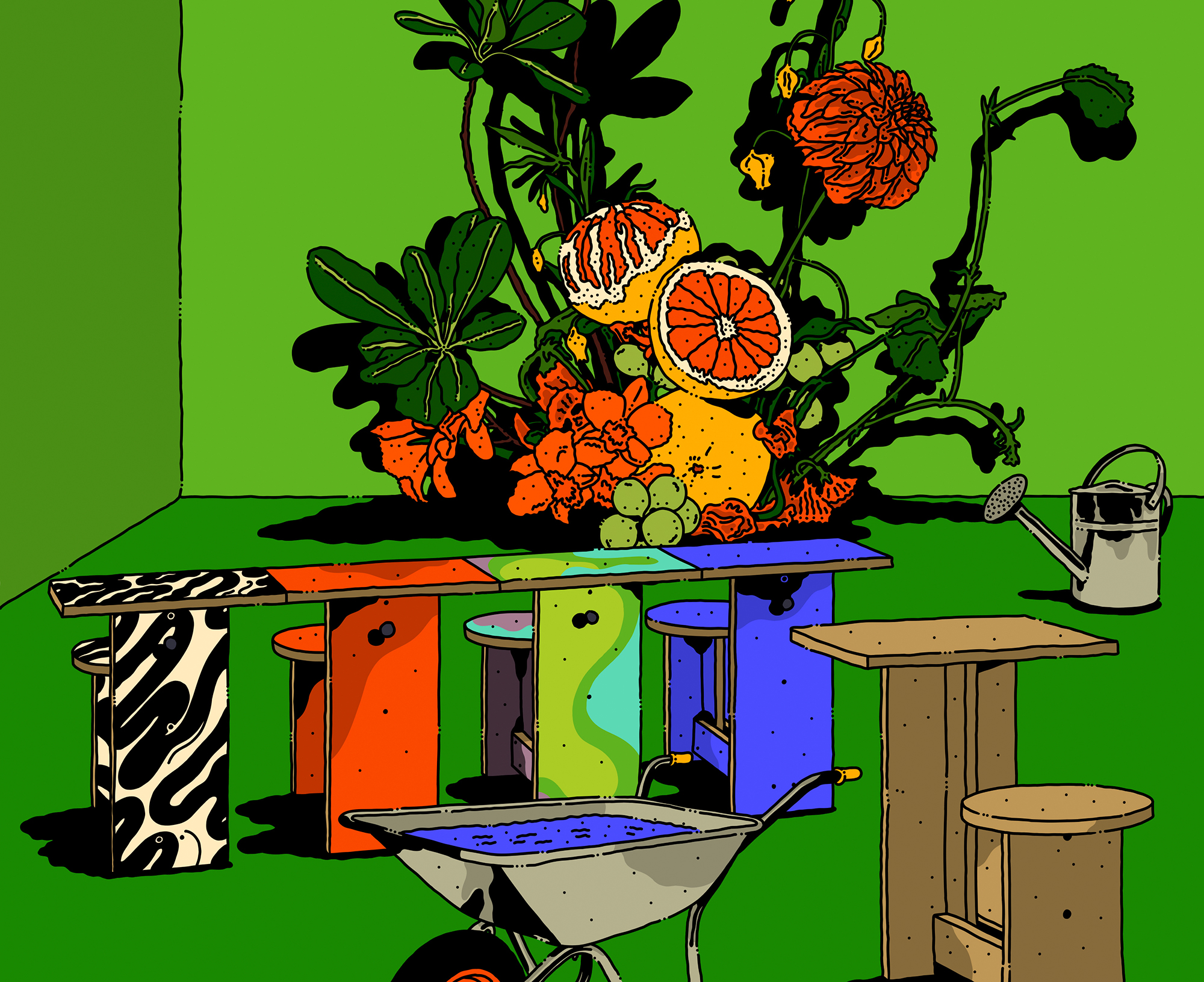
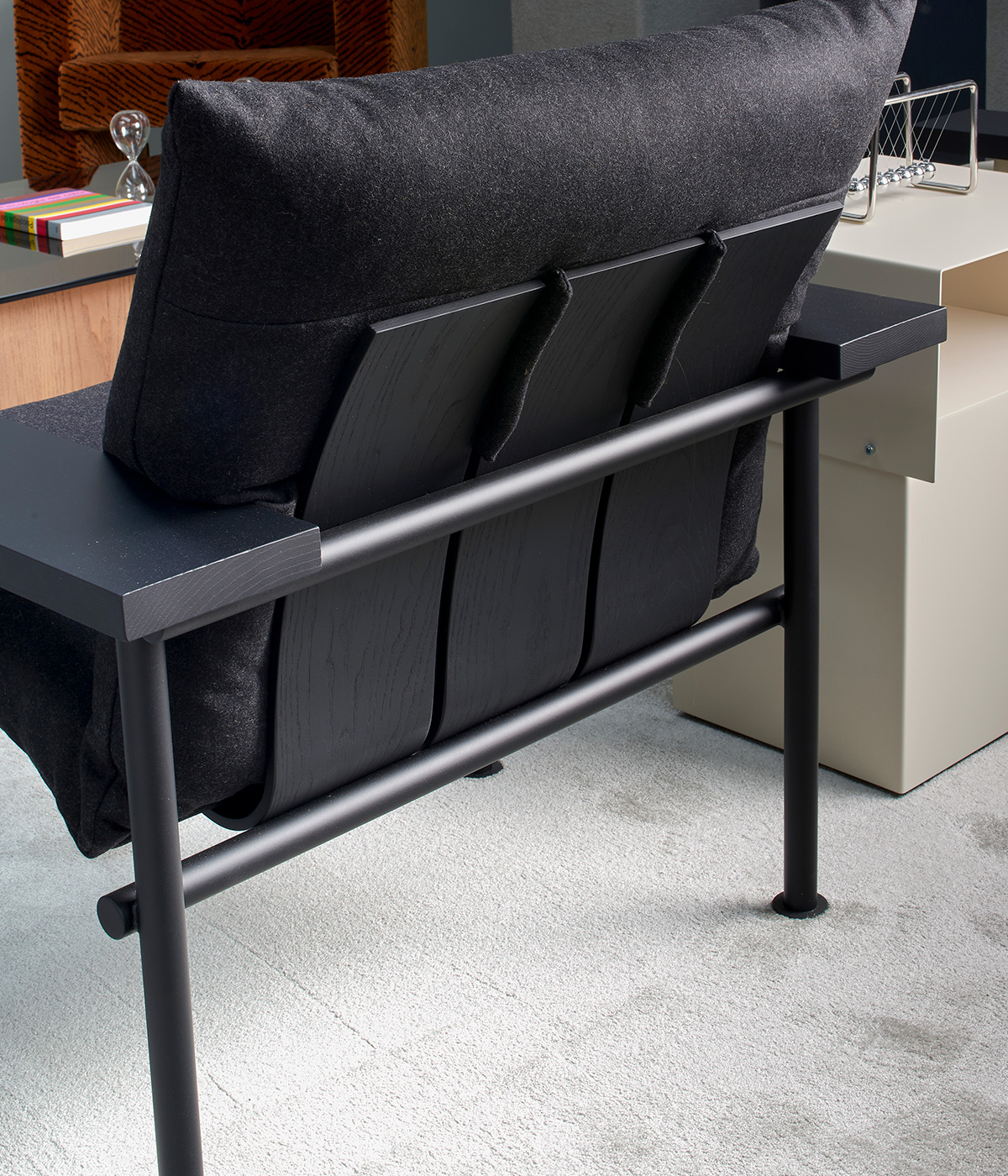
Palma by Marc Morro, in response to the cold perfection of digital surfaces, appealed to the artisan: CRAFT. A celebration of the authentic, vindicating the honesty of materials and their construction.
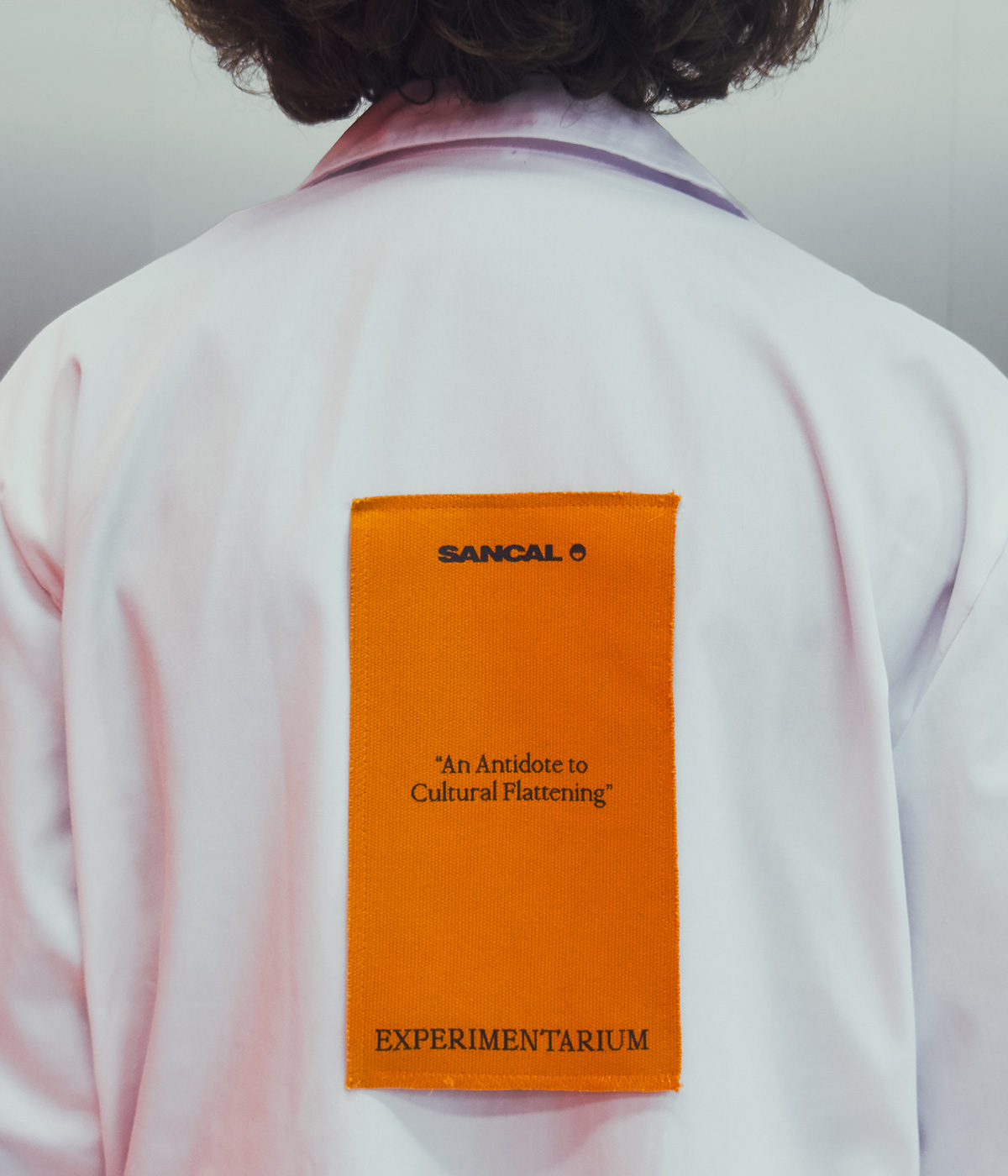
To reinforce the narrative, the Sancal staff moved through the space wearing white lab coats, reminding us that design (which is a very serious matter) doesn’t have to be boring, and that scientific rigor is not incompatible with a touch of irony.
Between scenes, visitors encountered small devices that demanded a physical presence: stills distilling ideas and smoke, a Theremin to create music with a gesture, a lightning machine that turned curiosity into visible energy, or a mysterious box that, once activated, had one very clear function: to turn itself off. A very serious proposal that forced us to put down our phones and use our hands.
And speaking of hands: the most surreal moment took place at the bar. No typical counter here. Instead, a small window through which only the waiters’ hands appeared, serving mysterious “therapeutic refreshments.” We didn’t know who was on the other side, but the staging felt like a cross between a secret lab and a Wes Anderson film.
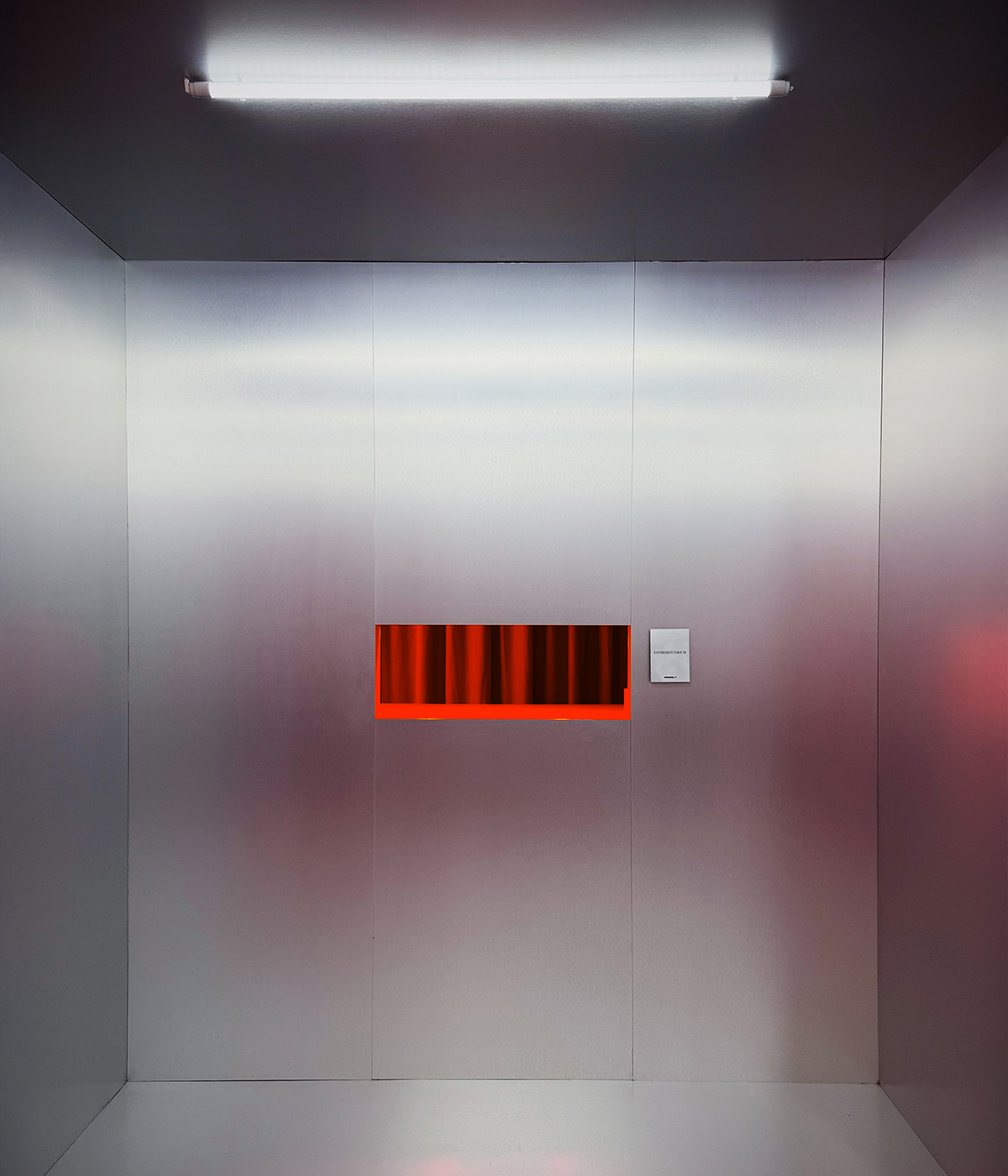
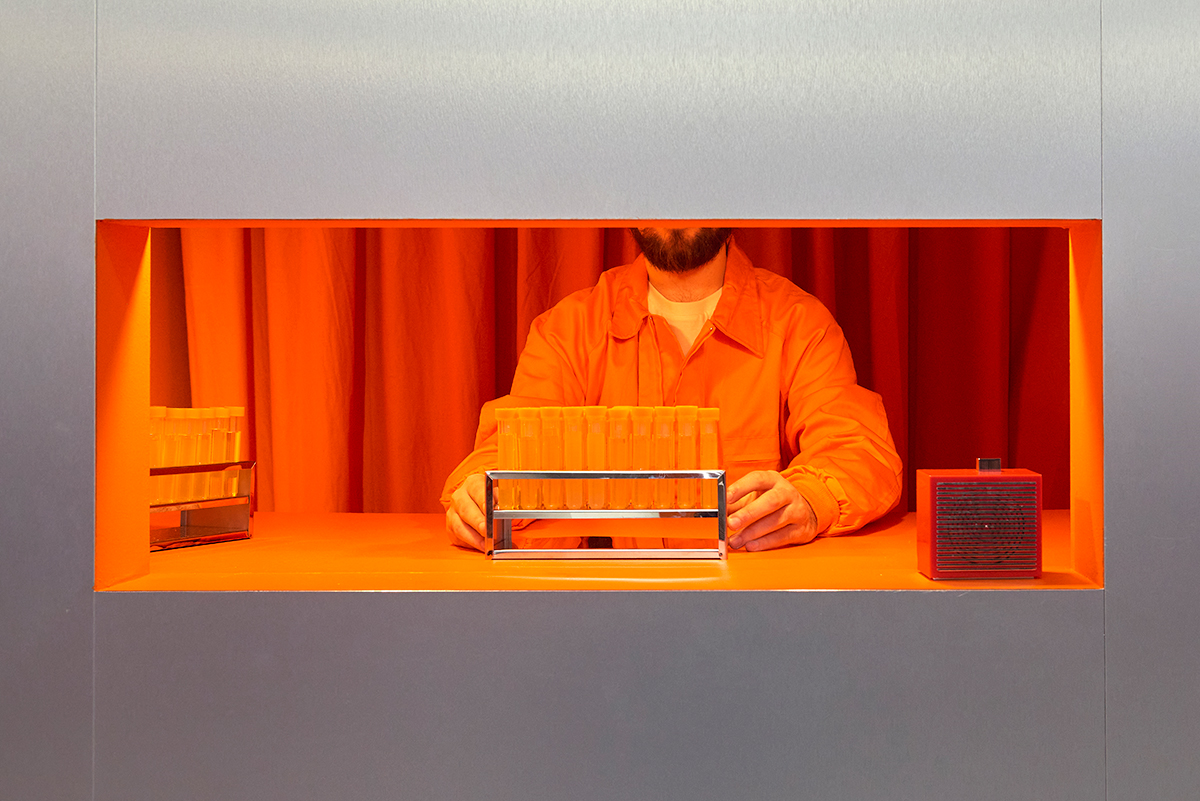
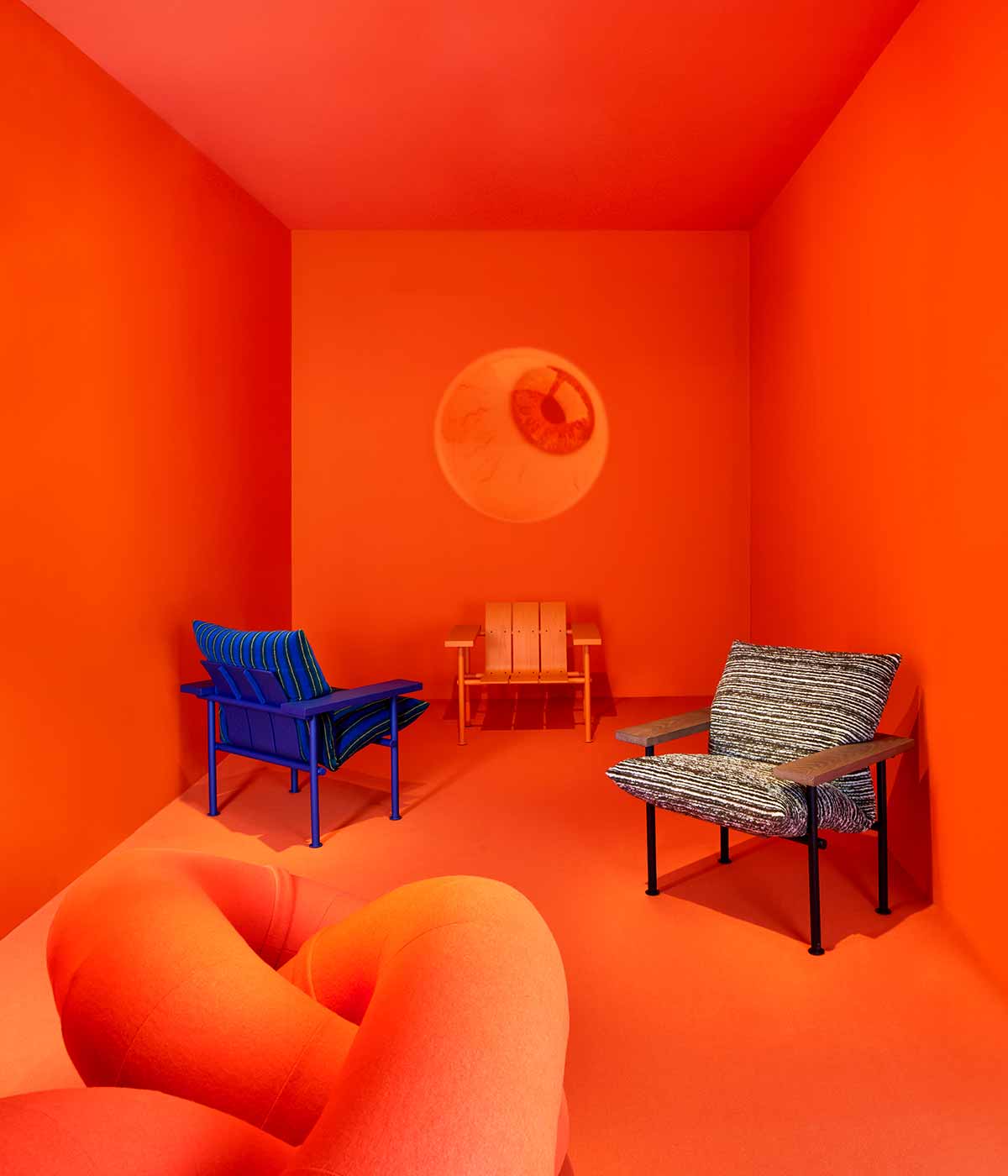
At the back, after crossing this rational zone, came the big plot twist: The Orange Room.
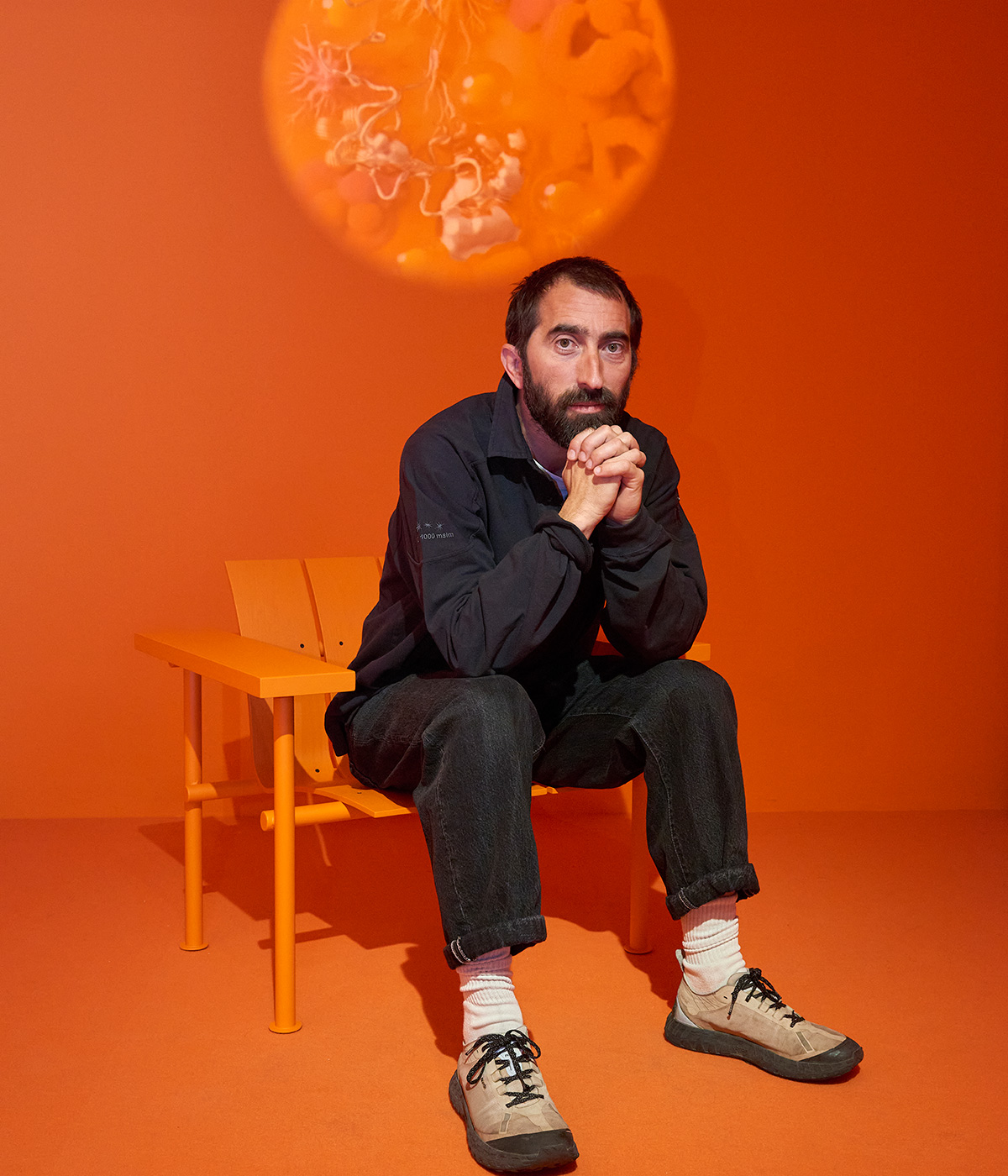
If the laboratory represented reason, this space was pure emotion. A monochromatic and immersive volume where orange devoured everything: walls, ceiling, and floor. Here, everything was more theatrical, more symbolic. A sanctuary for inspiration where perception was altered, and the designs by Júlia Esqué and Marc Morro were elevated to the category of art. Seeing the Link chains merge into that vibrant background was, quite simply, hypnotic.
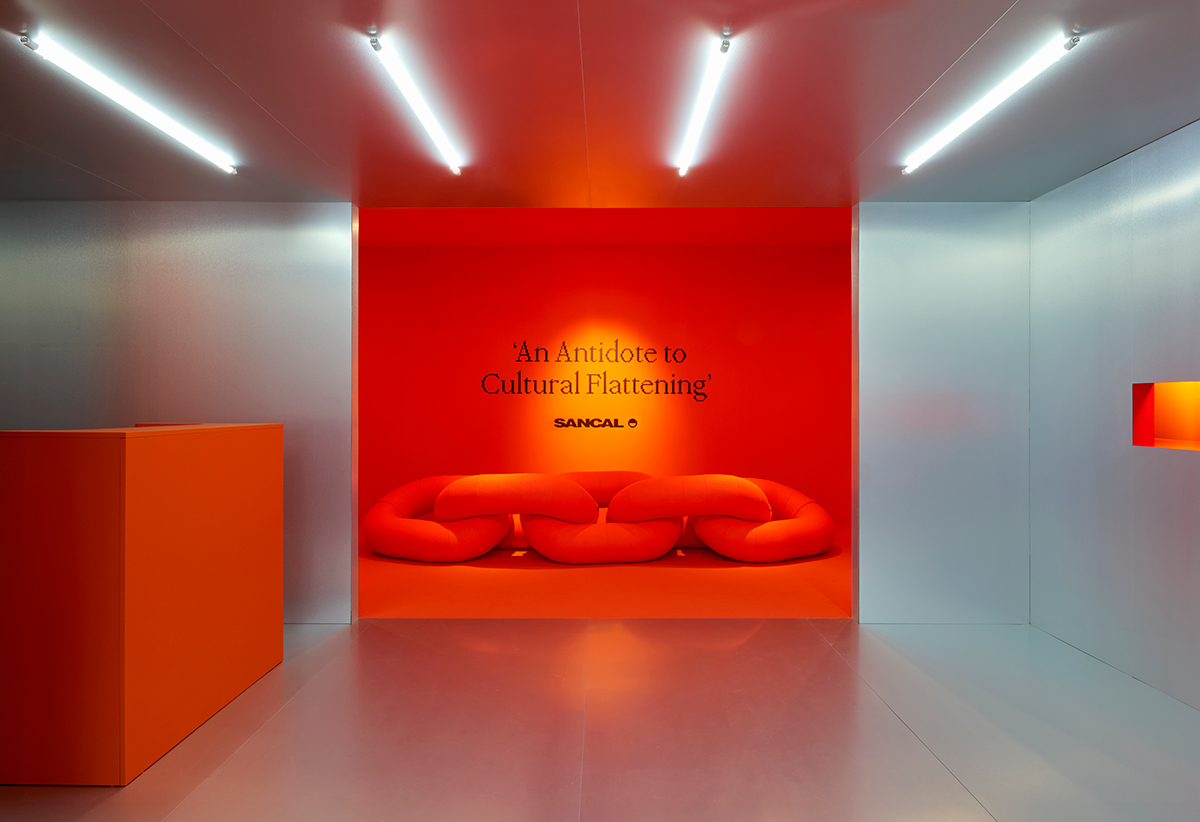
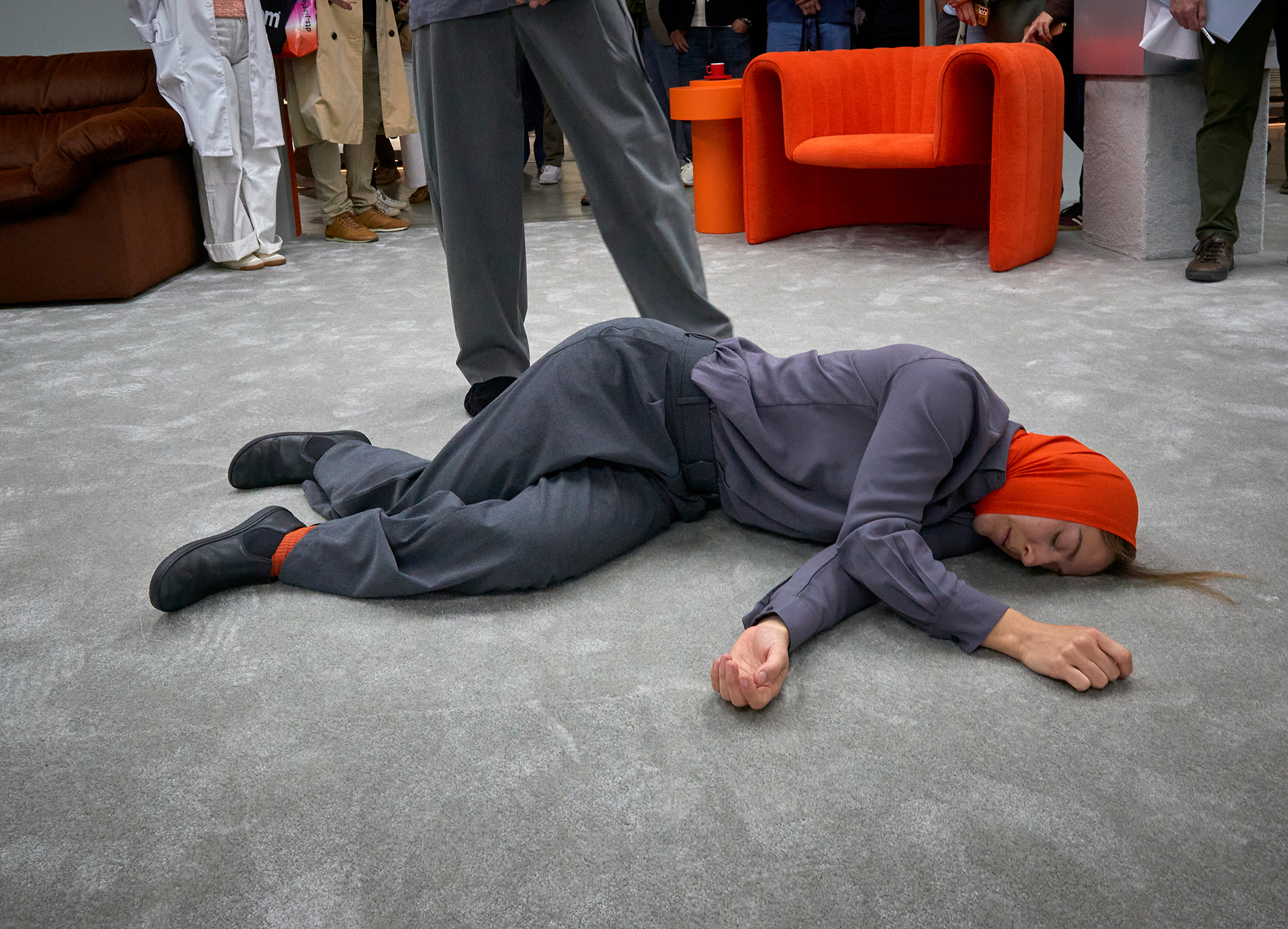
The finishing touch was provided by Experimental Movement: a performance by Sandra Egido and Iván Sier. Seeing both dancers investigate new ways of inhabiting furniture, twisting, jumping, and flowing between the pieces, was the ultimate reminder that design at Sancal is alive. Furniture is meant to be lived in, touched, and interacted with.
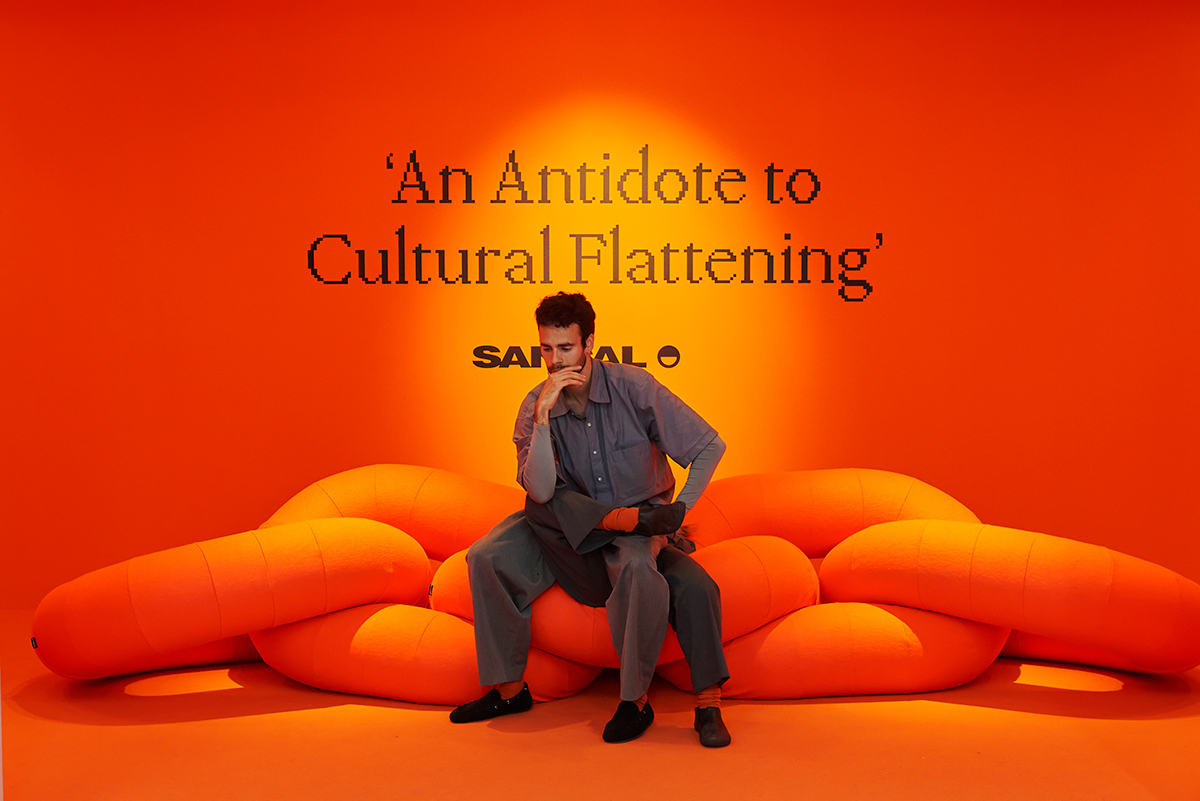
Experimentarium was the perfect antidote. Because in a world that insists on telling us how we should “be liked,” experimenting remains a form of resistance.