
Our approach to sustainability.
Conscious design helps distinguish desire from need. At Sancal, we take responsibility for the impact of our decisions. In a world saturated with green washing, the most sustainable gesture may also be the least commercial: not to consume.
But let’s be realistic. Spaces exist. They are inhabited, transformed, used. And when that happens, furniture is no longer a luxury, it becomes a necessity. Therefore, the second most sustainable option is to be highly mindful of what we consume.
What matters, then, is being informed and making thoughtful choices. Because everything leaves a footprint. The question is how much and in what way.
That’s why, together with the professional community, we advocate for responsible furniture that goes beyond and considering the real footprint of each piece, from its design to its manufacture, use and potential reuse.
We know there are no perfect solutions, but some choices show a greater commitment than others.
Then, what should you consider when choosing products?
- Authorial design. Avoid copies. Know who’s behind each idea, and ensure the product respects its creators and intellectual property. In other words, that it’s original.
- Direct and close relationships. Choosing local suppliers reduces transport emissions, strengthens the local economy, and allows for tighter control over processes and materials.
- Challenging mass production. We produce to order. By making only what’s needed, we avoid overproduction and the stockpiling of standardized products without knowing if they will ever be used.
- Certifications. EPDs (Environmental Product Declarations) offers a complete assessment of environmental impact across the product’s life cycle. Indoor Advantage Gold certifies indoor air quality, a key factor in healthy spaces.
- Standardised and certified processes under standards such as ISO 9001 (quality) and ISO 14001 (environmental management) ensure real traceability and continuous improvement.
- Toxin-free materials. Our glues, dyes, and lacquers are water-based and solvent-free.
- Designs made to last. A commitment to durability and timelessness. A piece that breaks or is replaced every few years contradicts any sustainable intent. Avoid “fast furniture”.
- Easy maintenance and repair. Enabling part replacements and maintenance not only extends the product’s life but also adds value by reducing waste.
- An investment for the future. Original products gain value over time, as author-designed pieces accumulate historical significance. Discover the story behind each product.
Do you really know where the original idea for the product you’re buying comes from?
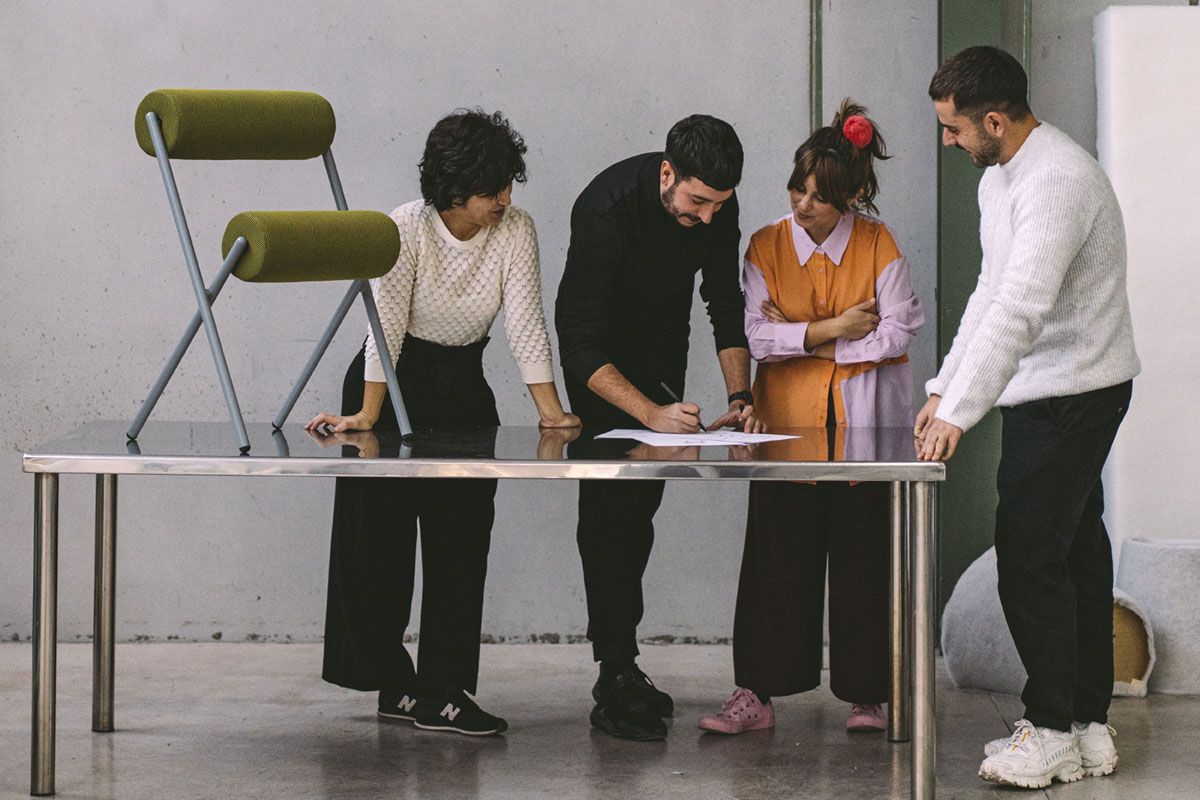
Every piece of furniture has a story. At Sancal, it always begins with an original design. A thoughtful idea, sketched, modelled… and rethought again.
From there, our technical team steps in to turn that idea into a real product. Every proportion is defined, the most suitable materials are selected, comfort is validated, and the production method is designed to be efficient, safe, and sustainable.
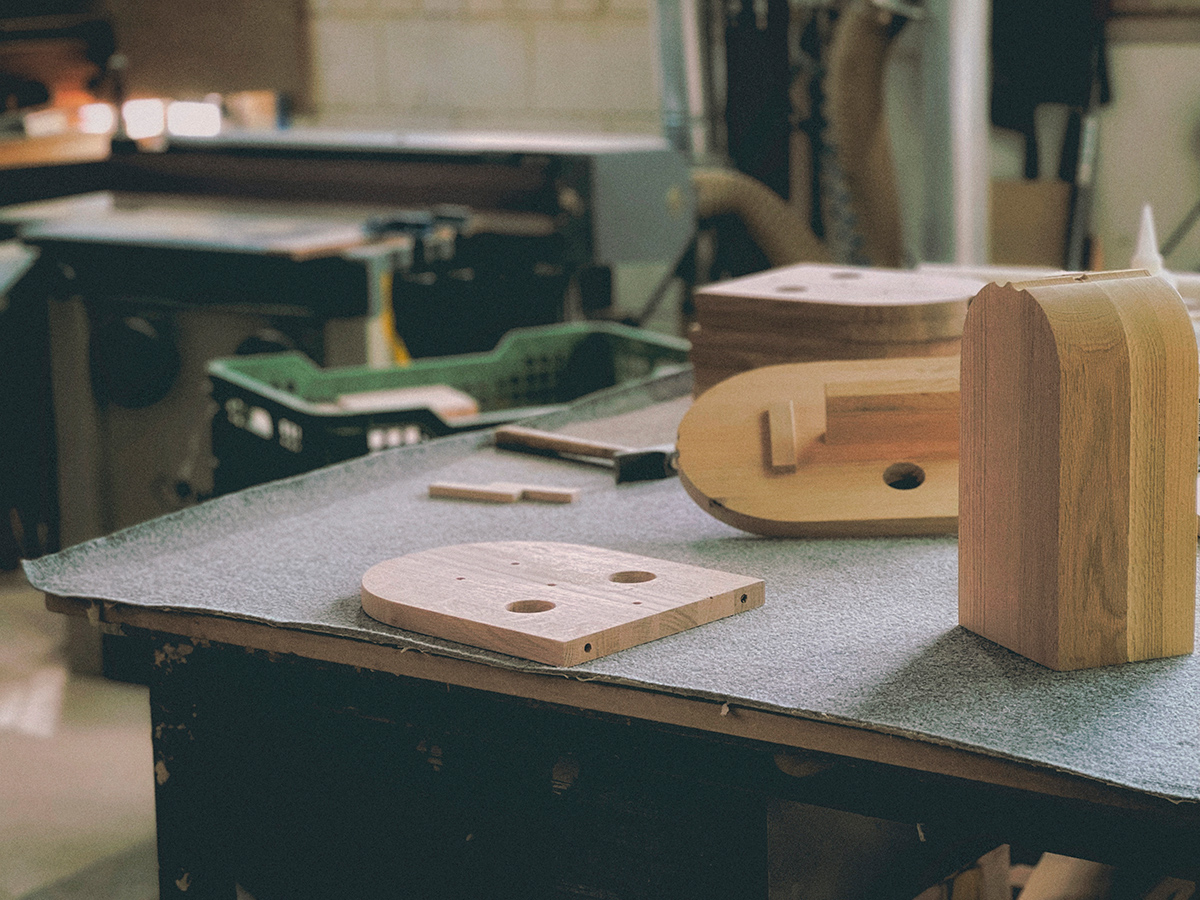
This entire process takes place here, in our own facilities, in collaboration with a network of local suppliers who share our values.
Sancal Preloved: closing the circle.
Sustainability isn’t just about making things better. It’s also about looking at what we already have with new eyes. That’s why we’ve launched Sancal Preloved, a programme that gives a second life to pieces that have been part of our showroom, travelled to trade shows, or featured in photo shoots.
These pieces return to the market through a responsible channel that promotes reuse, reduces waste, and extends product life.
Conscious design also cares for people.
Beyond environmental sustainability, responsible design directly impacts people’s emotional and physical wellbeing.
Creating spaces free from harmful substances, with materials that support air quality and meet the highest regulations, is just as important as ensuring visual, tactile and physical comfort.

We’re not perfect, but we want to do things right.
At Sancal, we know the path to sustainability is complex and always open to improvement. But we work at it every day, because if we’re going to keep making furniture, we want to do it right.
For the planet, for the professionals who trust us with their projects, and for the people who will inhabit those spaces.