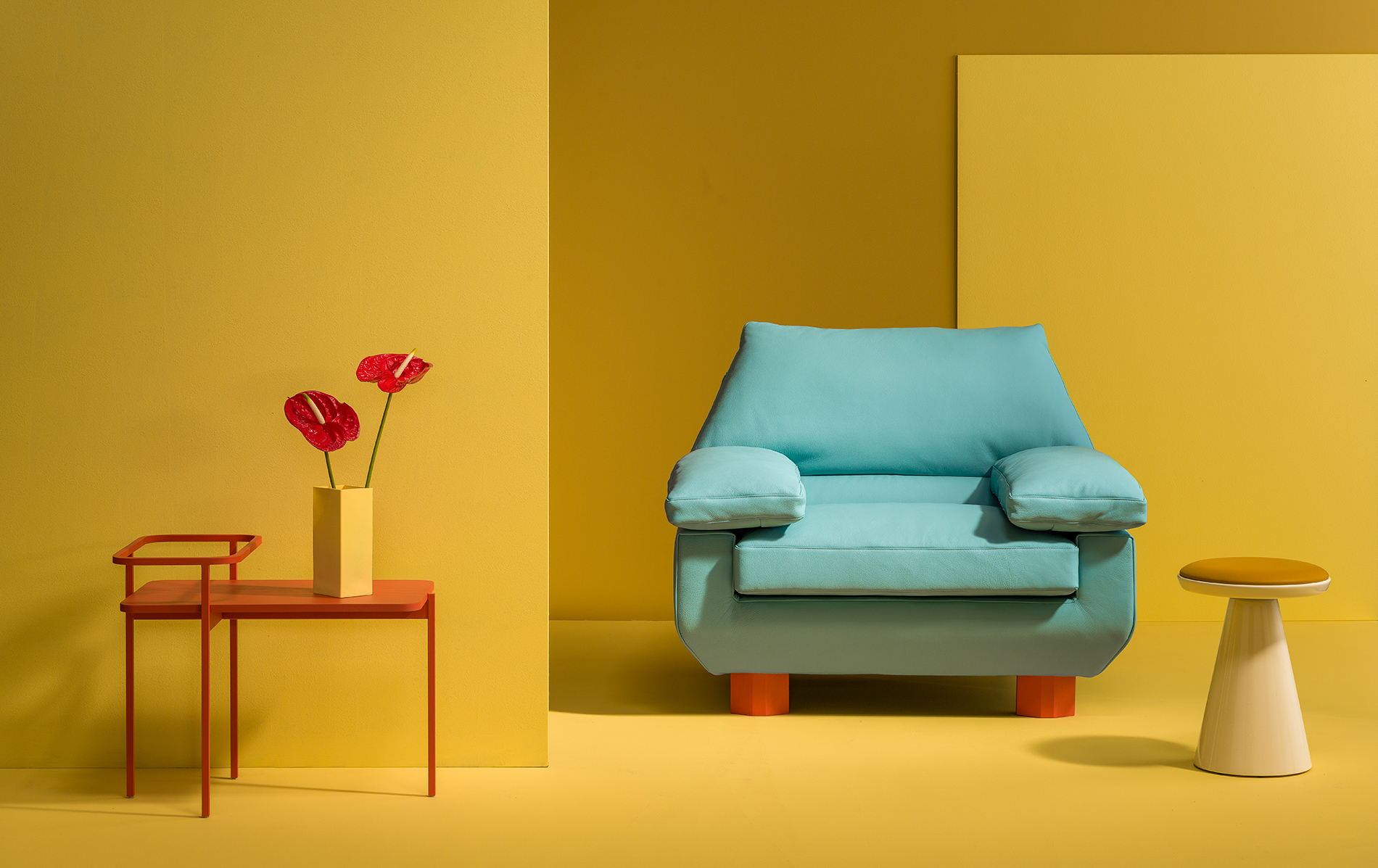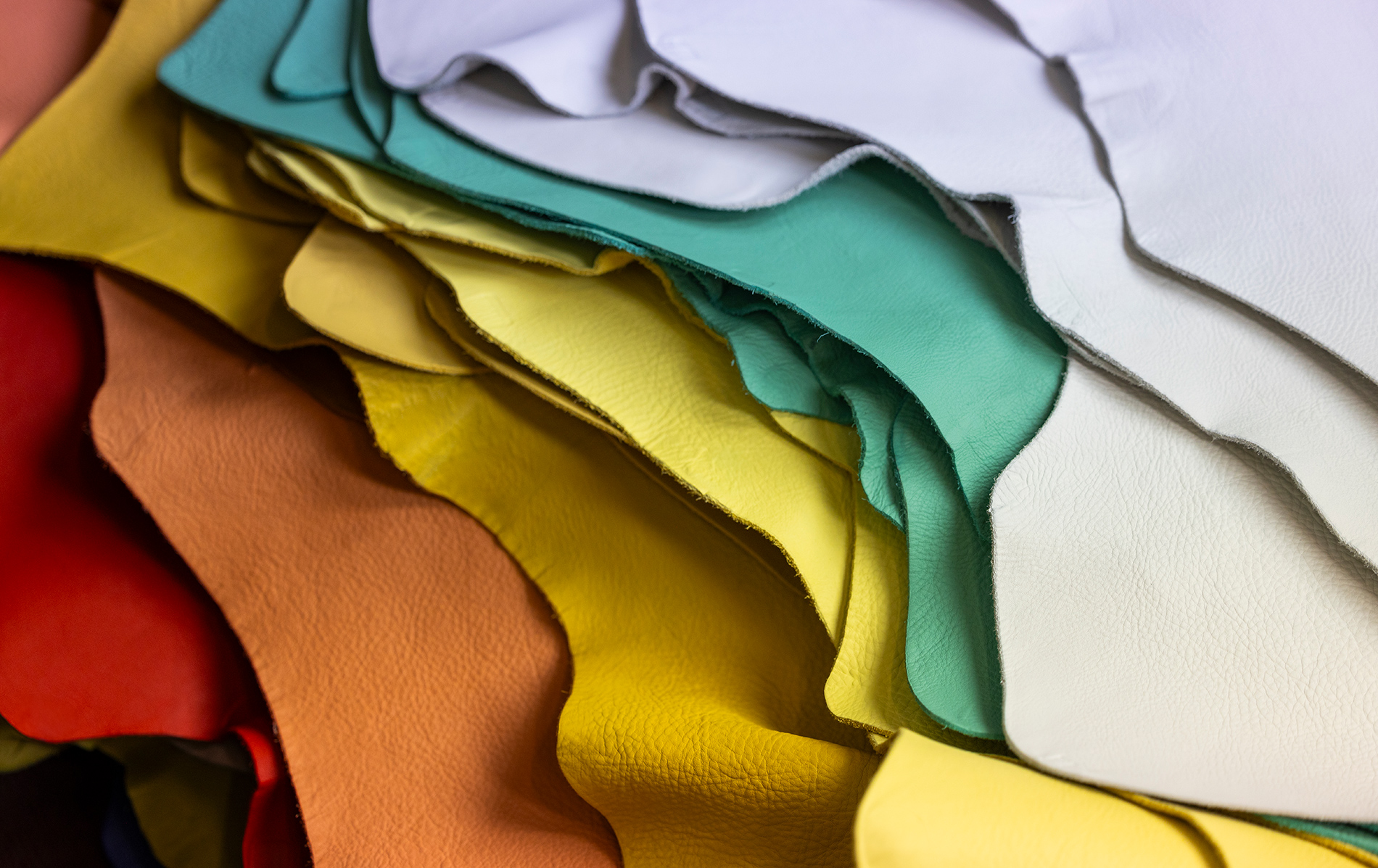

Leather is one of the oldest materials used by humankind, valued for its strength, adaptability, and beauty. In furniture design, it offers something very few materials can: comfort that improves with time, durability measured in decades, and an authenticity that makes each piece unique.
But not all leathers are alike. The way they are treated has a direct impact on their appearance, comfort, and maintenance. Understanding the differences will help you choose the right option for your project while also appreciating the natural variations that are a hallmark of genuine leather.
Aniline Leather. Pure Comfort and Natural Character.
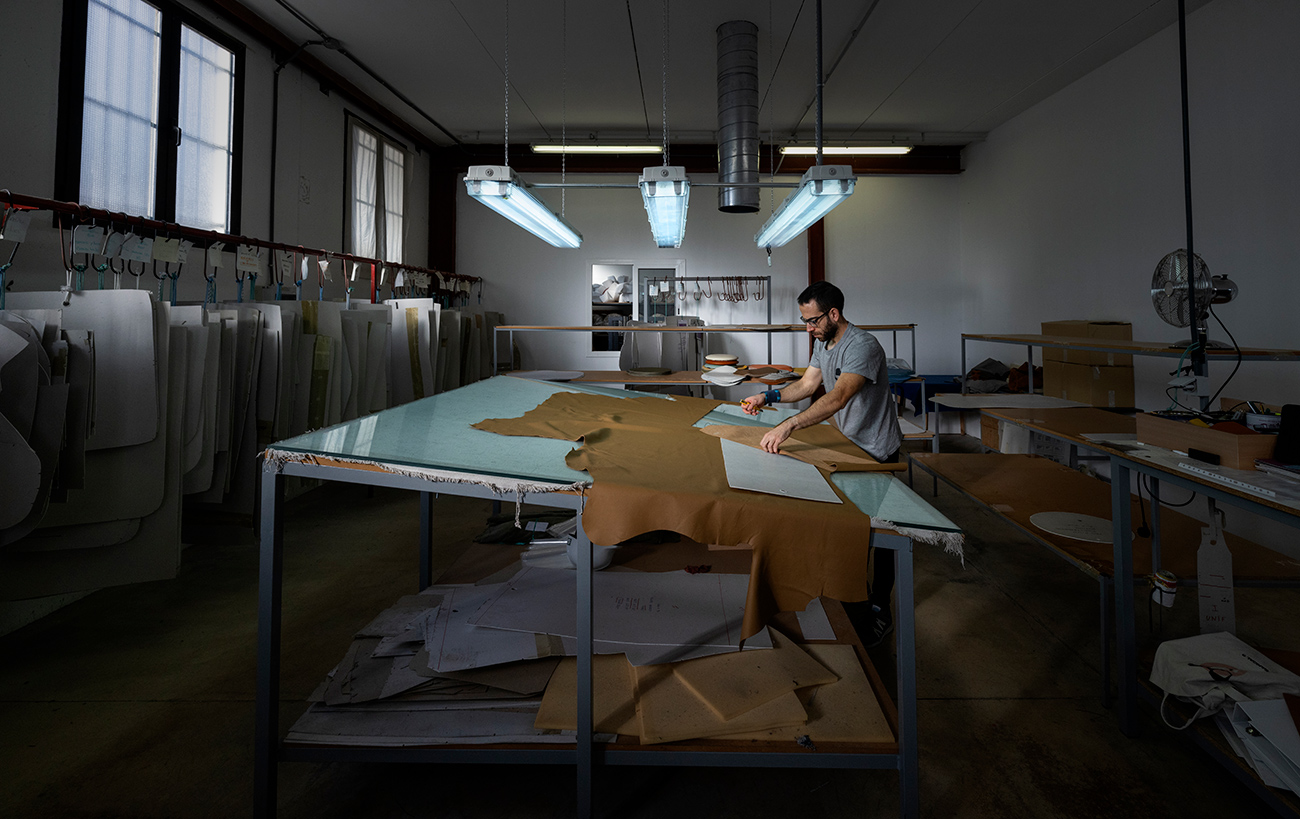
Aniline is the softest and most comfortable type of leather. Because it undergoes only minimal treatment, its surface remains breathable and supple, adapting easily to body temperature. This makes sitting on aniline-upholstered furniture a uniquely pleasant experience: warm in winter, cool in summer, and always natural to the touch.

Its authenticity also means that you will see natural blemishes, scars, and grain variations, even across a single hide. These are not flaws but marks of its origin, telling the story of a genuine material. At Sancal, only the finest hides are selected for aniline, but part of its beauty is its individuality as no two pieces are ever exactly the same.
This purity and natural quality imply greater delicacy since, without having undergone a protective finish during the manufacturing process, aniline leather is more sensitive to stains, sunlight, and wear. For this reason, it is especially recommended for private or low-traffic spaces, where its beauty and natural comfort can be best enjoyed and preserved.
In any case, it can be naturally protected by regularly applying specific creams by hand. This helps ensure optimal maintenance while strengthening its protective barrier. See instructions at the end of the article.
Semi-Aniline Leather. Balancing Comfort with Practicality.
Semi-aniline offers a middle ground between the softness of aniline and the durability of technical leathers. A very light protective coating helps shield it against everyday use while allowing much of the leather’s natural character to remain visible.
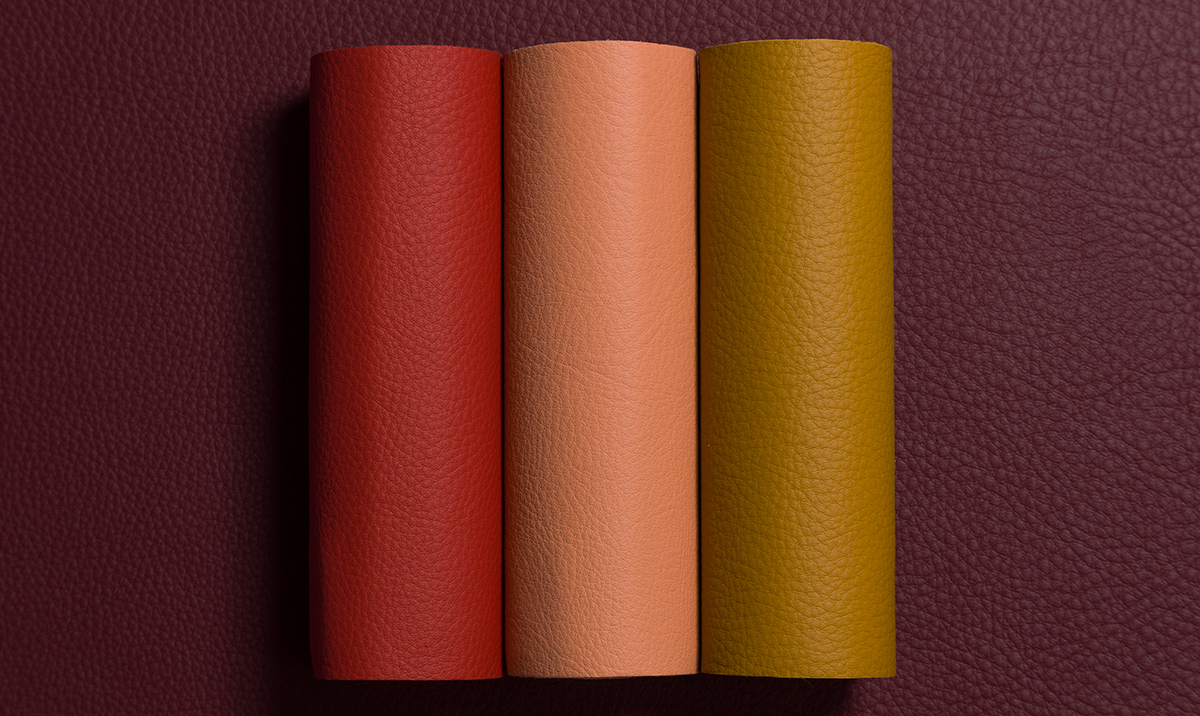
It is still comfortable, though slightly less breathable than pure aniline. The protection makes it easier to clean and more suitable for spaces where furniture must withstand moderate use without sacrificing too much of the natural look and feel.
Technical Leather. Performance for Demanding Spaces.
Technical leathers are treated to provide maximum resistance against abrasion, sunlight, and even fire. They are often used in sectors such as hospitality, transport, or offices, where durability and certifications are essential.
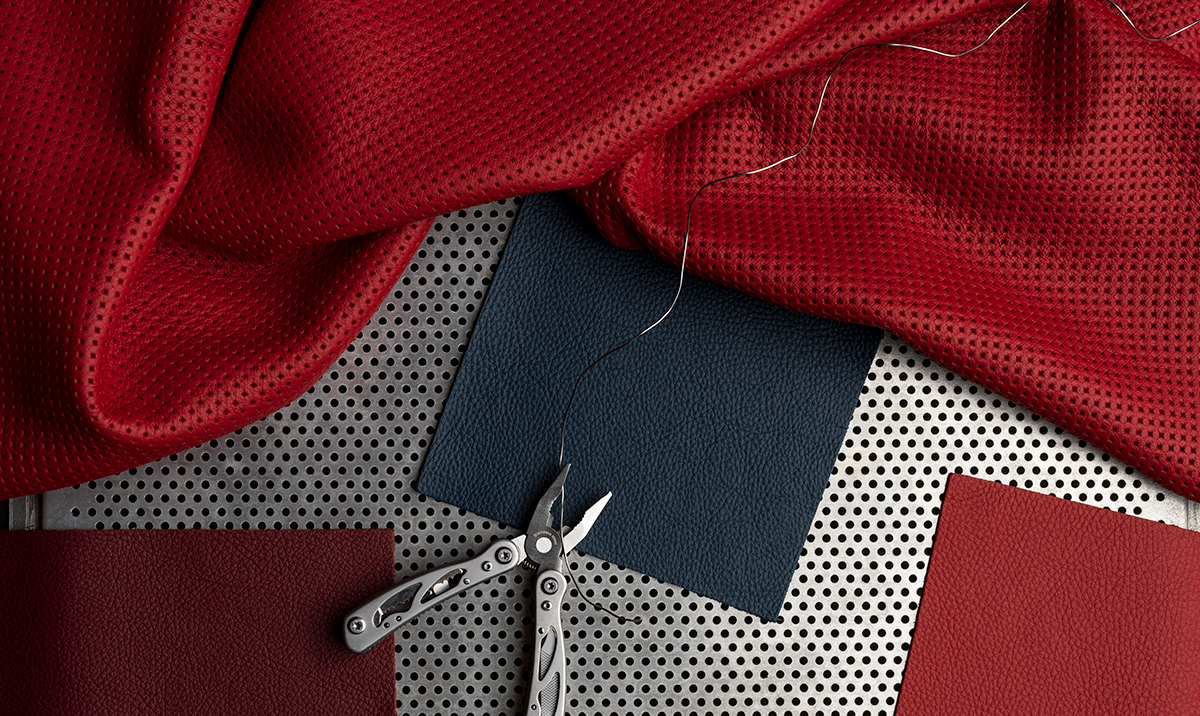
Comfort is still present but reduced compared to aniline and semi-aniline. The protective layers that make it so resilient also limit breathability and softness, giving it a more consistent, uniform feel. What it loses in tactile comfort, it gains in longevity under the toughest conditions.
Why Leather is a Sustainable Choice?
Beyond comfort and aesthetics, leather has strong environmental credentials when responsibly sourced and processed:
-
- A by-product of the food industry: Hides come from animals already raised for meat and dairy. By using them, the industry avoids waste.
- Circular and biodegradable: Unlike synthetic alternatives, real leather is biodegradable and can be part of a zero-waste model, where even residues from production are reused (for example, as natural fertilizers for agriculture).
- Durability: Furniture upholstered in leather can last for decades, reducing the need for replacements and lowering overall consumption.
- Responsible innovation: Today, many tanneries use water-based finishes, and recycle wastewater reducing their environmental footprint.
- Lower carbon impact over the lifecycle: Because of its longevity and natural origin, leather often has a smaller environmental impact than plastics when considered over the full lifespan of the product.

The Importance of Care and Maintenance.
Whatever type you choose, leather is a living material and requires proper care. Using protective creams and cleaning products specifically designed for leather helps maintain its softness, prevents drying or cracking, and offers an additional shield against stains.
Regular cleaning.
Remove dust weekly by vacuuming with an upholstery attachment or using a soft, dry cloth.
Moisturizing and protection.
Every 6 months, apply a leather-specific conditioner to maintain flexibility and prevent drying. Use only products designed for leather care. Leather Master offers a wide range of these products, available online or in specialized stores.
Precautions. Avoid direct sunlight: sun rays can discolor and dry out the leather.
Regular maintenance not only extends the life of the upholstery but also preserves comfort and appearance.
Want to know more about our leather collections? Get in touch with our sales team here!