
The art of rebirth and balance.
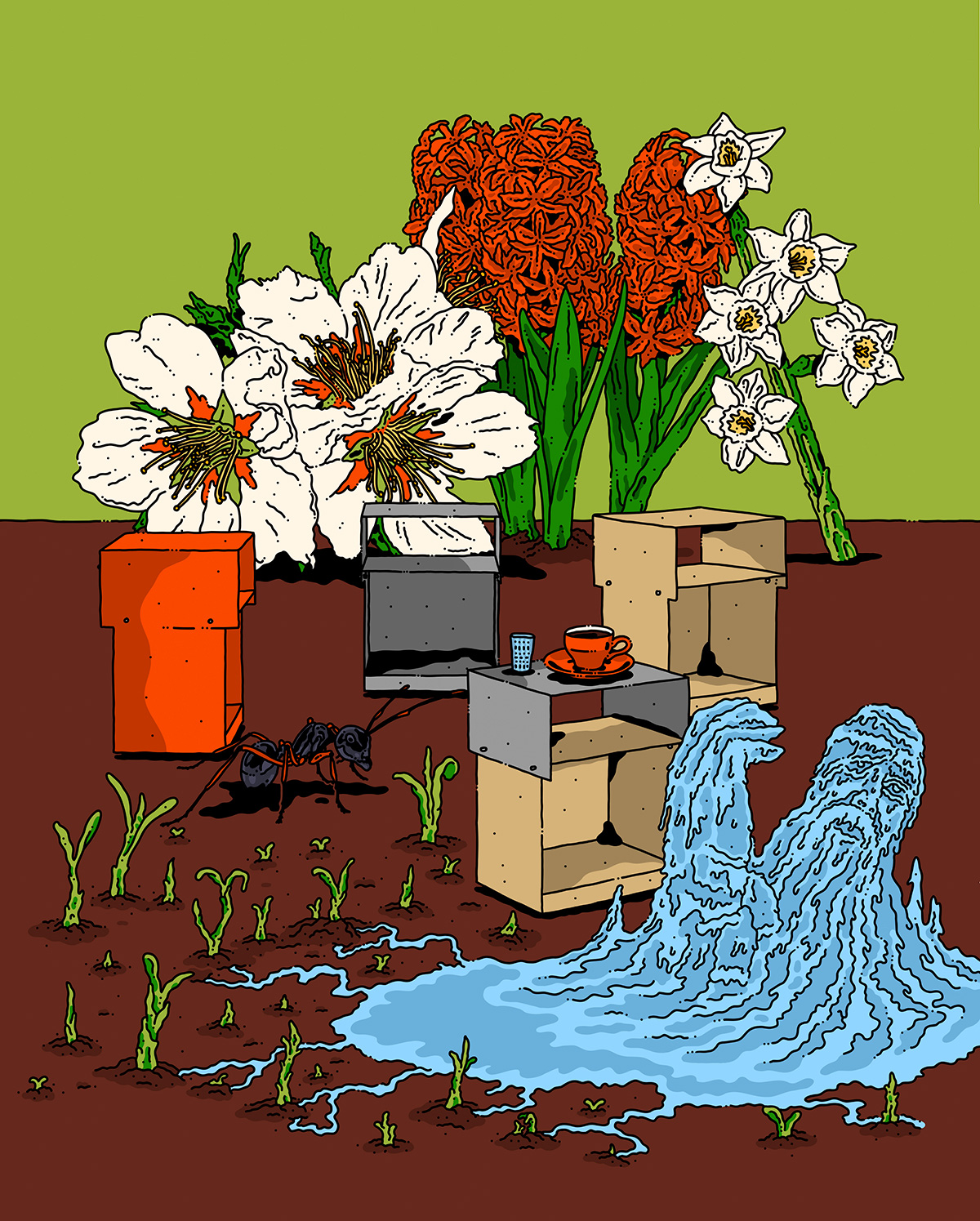
March marks the beginning of spring. A fertile ground reveals its first shoots, and the blossoming of hyacinths, daffodils and azaleas spreads its colours across this garden where ants scurry about. A stream of water takes on an almost human form, calling for activity while showing its strength and generosity as it nourishes the earth. In this way, Federico Sáez Anchorena illustrates a scene in which nature awakens to life after the winter’s lethargy.
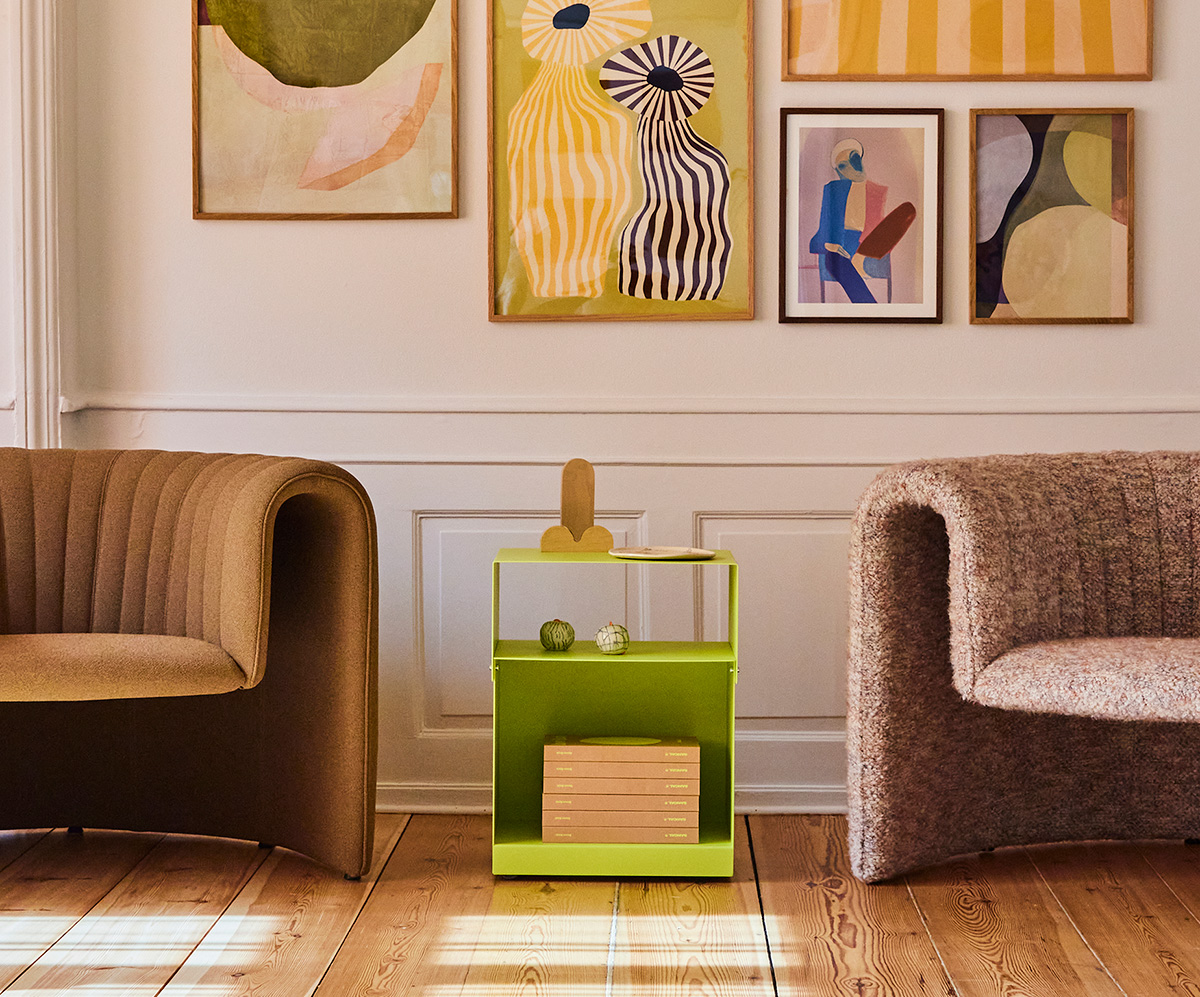
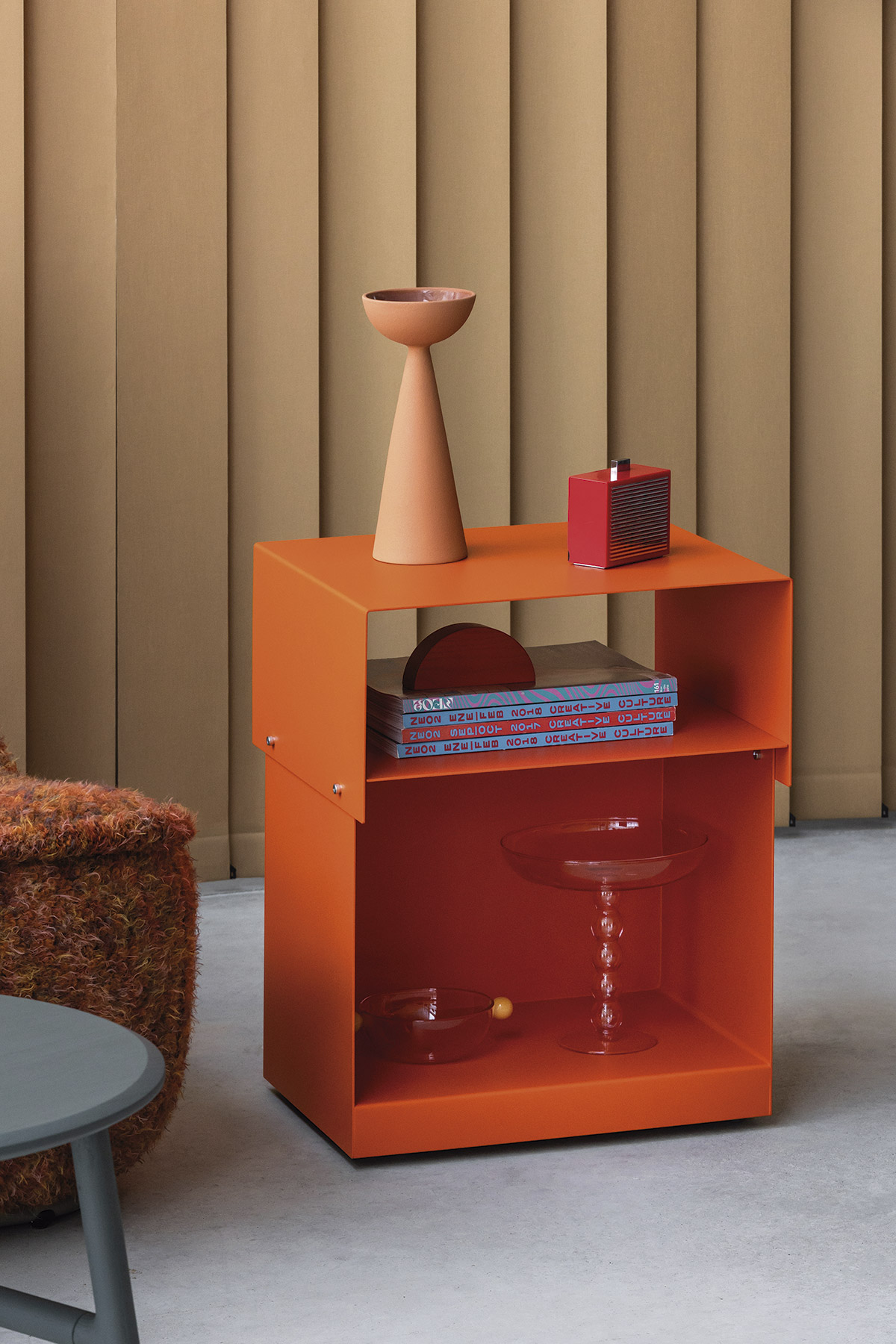
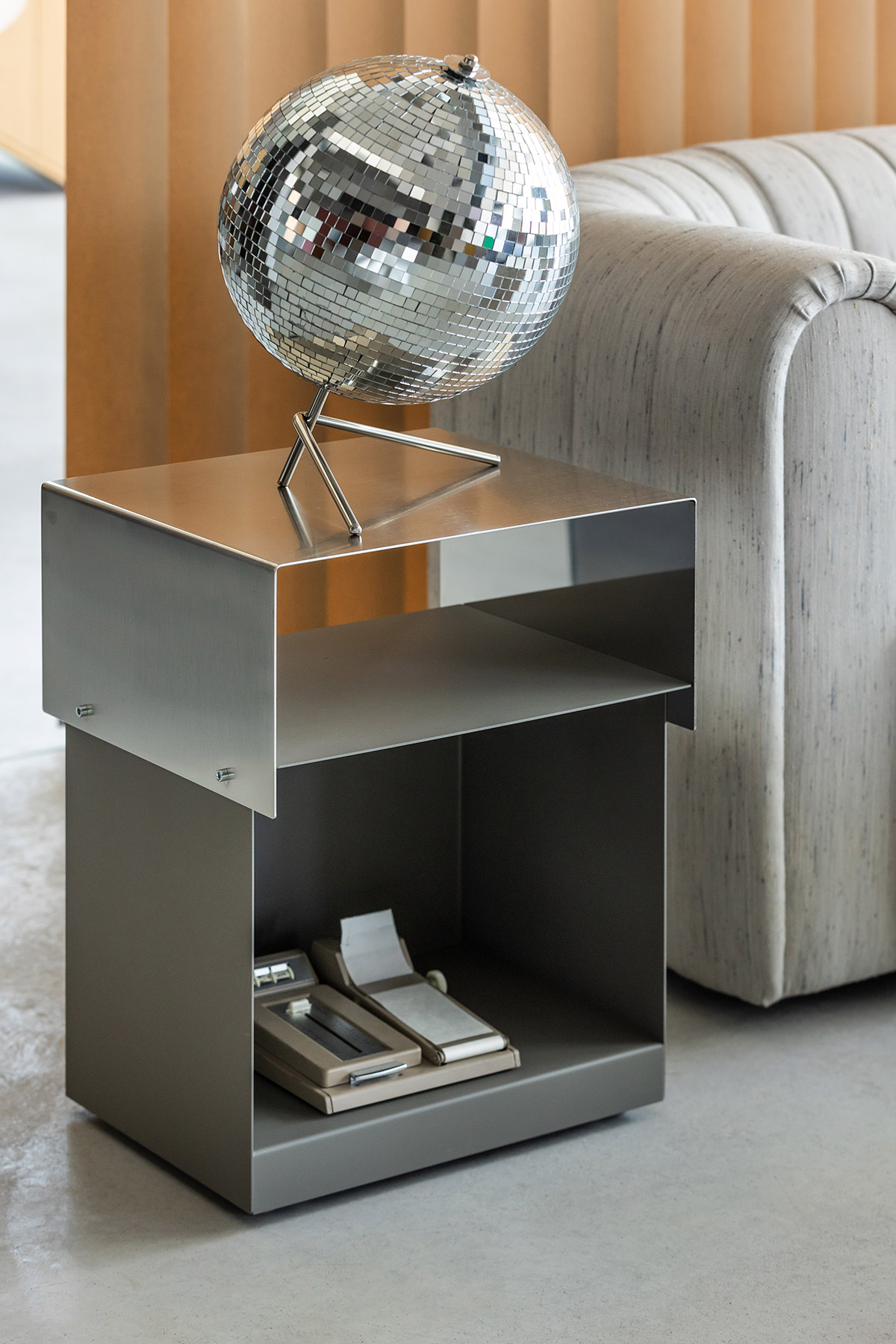
Against the exuberance of this landscape appears Seta, with its minimalist and deliberately sober aesthetic. Its design is balanced, with a formal narrative that turns the practical into something expressive. And just as in spring, when each flower introduces a different colour into the scenery, its wide range of lacquer finishes broadens its ability to inhabit diverse spaces.
The irregular, almost unique silhouettes born of nature contrast with the straight lines of metal folded to shape this small trolley. Far from concealing its industrial character, Seta proudly displays it, as both the material and the construction process are an essential part of its identity.
Seta, designed by Geckeler Michels, engages with its surroundings through the logic of function, since its open structure is conceived for fluid and accessible storage. Moving on wheels, it travels naturally among the different elements of the scene, adapting to multiple uses and contexts.
And unlike flowers and fleeting shoots, Seta is designed to endure over time and accompany everyday life, where growing, organising and transforming become part of the same gesture.
“The earth awakens from its slumber and the vitality of the year bursts forth. March celebrates the fresh rebirths of spring, where blossoming meets the promise of growth. The scene, close to the ground, reveals a primordial garden that dialogues with the stream of water and the industrious ants. A composition that celebrates functional design as an intrinsic part of nature, marking the beginning of a fertile cycle.” Federico Sáez Anchorena.