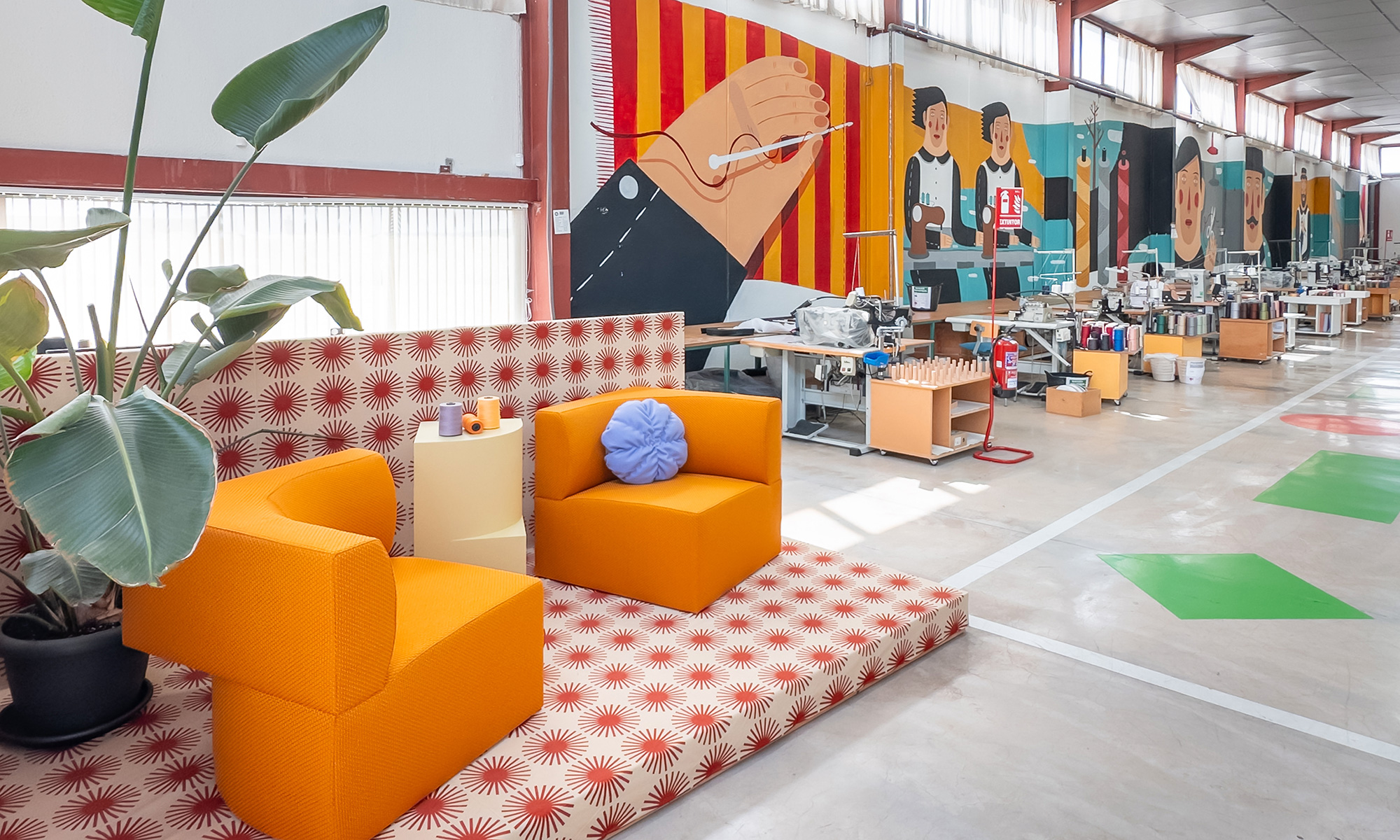

Is a compact sofa only an answer when space is limited?
Choosing a compact sofa is not about compromise. It is about selecting a piece that engages with its surroundings through proportion, where functionality and expression coexist naturally. Dimensions matter, but they should never define the design.
Their scale allows them to adapt effortlessly to a wide variety of interiors. Compact, certainly, but also remarkably strategic. Their presence is measured yet confident: they bring character without dominating a room, flexibility without sacrificing style, and versatility without feeling anonymous.
Ultimately, compact sofas are about proportion, balance and intention. When volume is reduced, design speaks through silhouette, upholstery and carefully considered details. A smaller footprint does not diminish expression. On the contrary, it gives greater significance to every design decision.
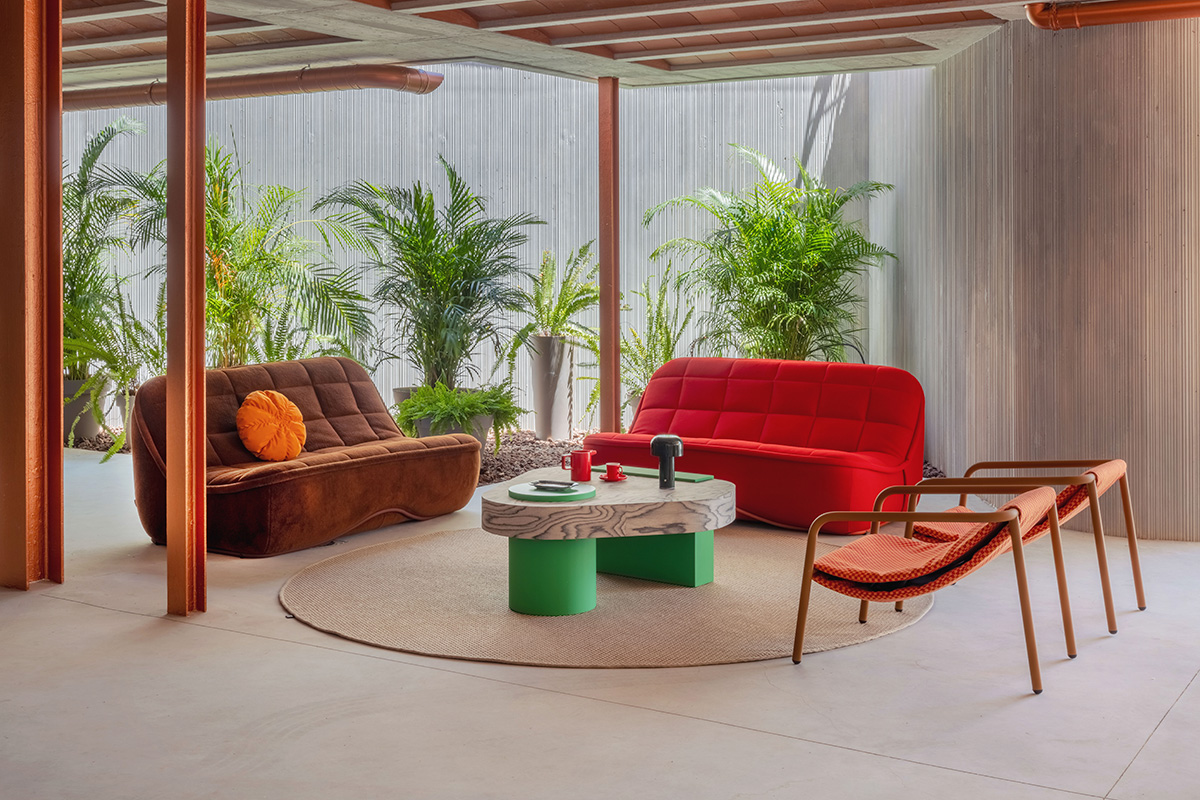
Character is not defined by size, but by the clarity of form.
There is something almost sculptural about the way compact sofas occupy a space. Without being oversized, they command attention through the precision of their proportions, the quality of their craftsmanship and, in some cases, the distinctive bases that support them. They communicate comfort without excess, presence without extravagance, and personality without rigidity.
For architects and interior designers, compact sofas offer exceptional compositional freedom. They fit naturally into smaller interiors, yet they are equally effective as focal points within larger spaces.
They can be paired together, repeated throughout a project or easily rearranged. Rather than prescribing a single way of inhabiting a space, they encourage multiple possibilities. They can take centre stage or quietly complement other pieces, creating rhythm and balance within an interior.

Models such as Vibe, Remnant, Tonella, Sumo and Tea all share this approach to scale: compact proportions combined with a strong visual identity. These are not neutral silhouettes or anonymous volumes. Their character originates in the designer’s intention and in forms that communicate long before fabric, texture or colour are introduced. Upholstery simply reinforces an already distinctive personality.
Each of these sofas is also complemented by a lounge chair within the same collection. Sharing the same design language and visual identity, they make it easy to create coherent interiors while offering different scales and ways of using the space.
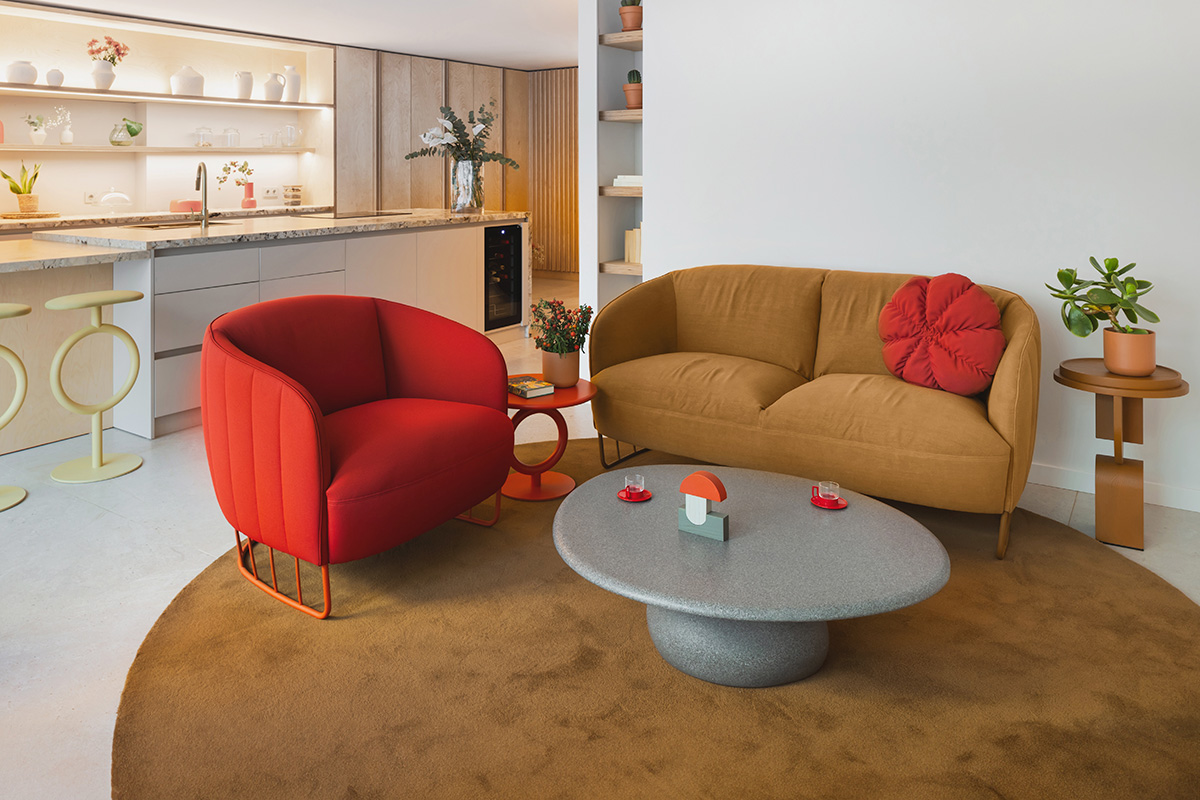
At Sancal, we see these pieces as compact statements of design. Small in scale, generous in personality.
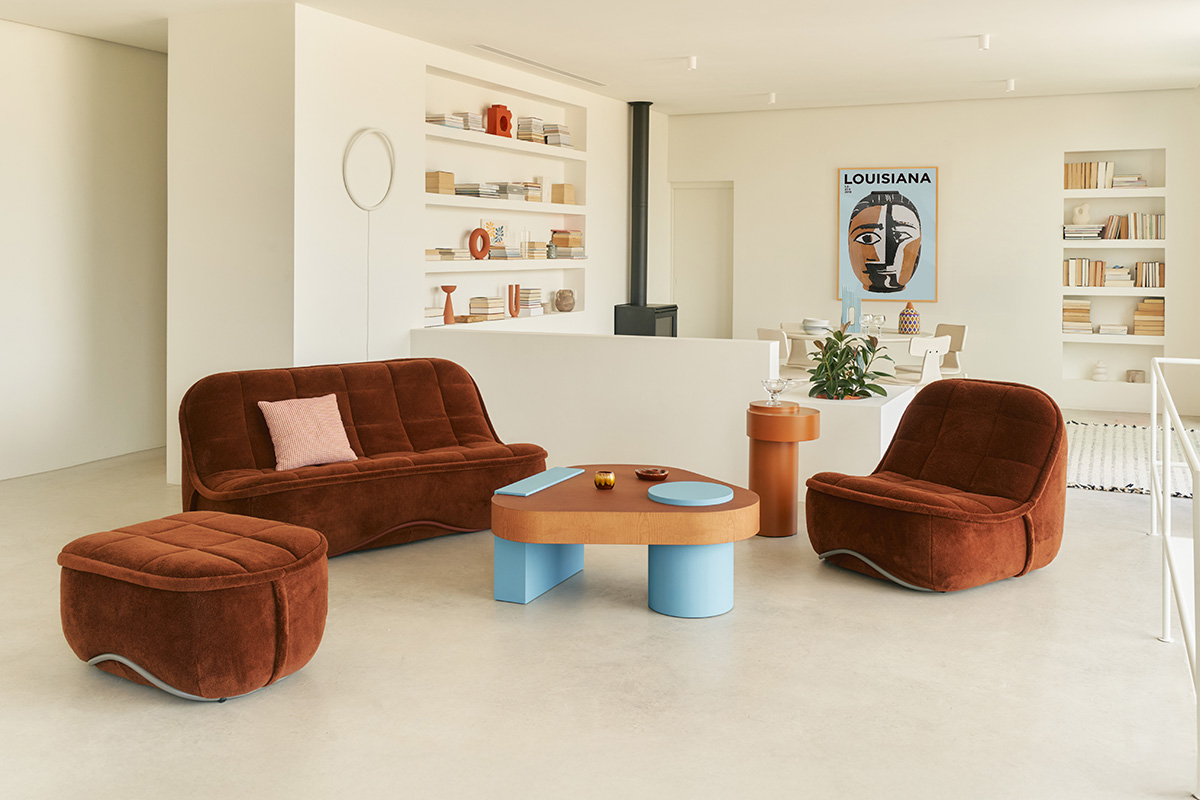
The Vibe sofa, designed by Estudio Sancal, revives the optimistic spirit of the 1970s through a welcoming, enveloping silhouette. Fully removable covers add practical versatility, making it equally suited to residential and contract interiors.
The Remnant sofa, by Note (design studio), translates the collection’s formal research into a sofa. Here, the void becomes the true protagonist, creating a piece that appears to float effortlessly while maintaining both comfort and stability.
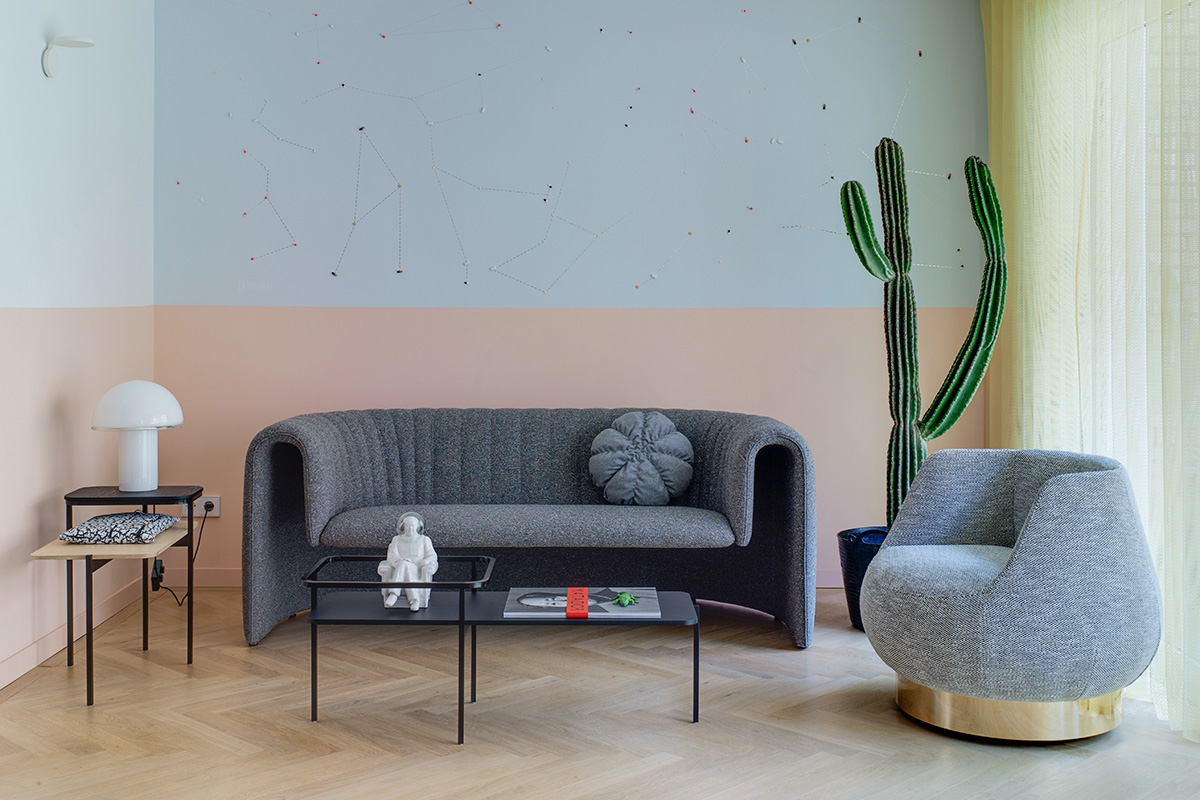
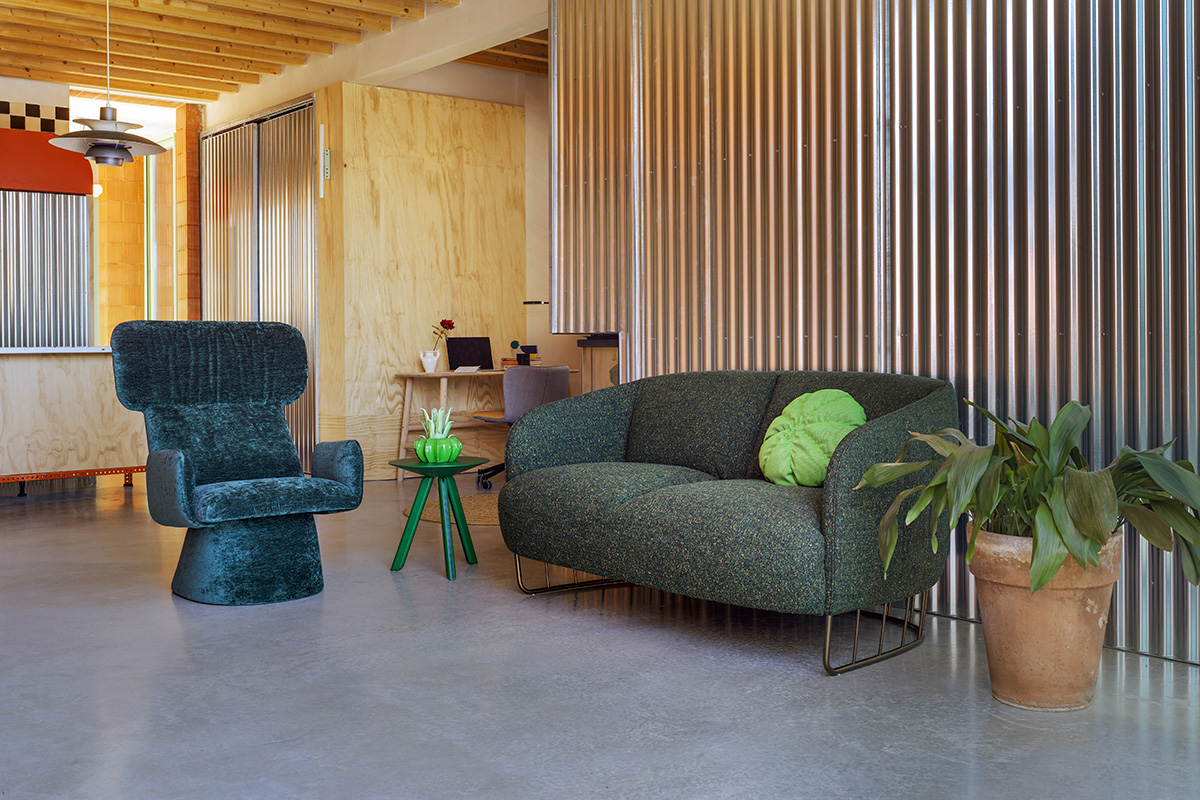
Also by Note, the Tonella sofa reinterprets the traditional wine barrel through a contemporary lens. The contrast between its soft interior and vertically quilted outer shell, inspired by the staves of a barrel, gives the design its unmistakable identity.
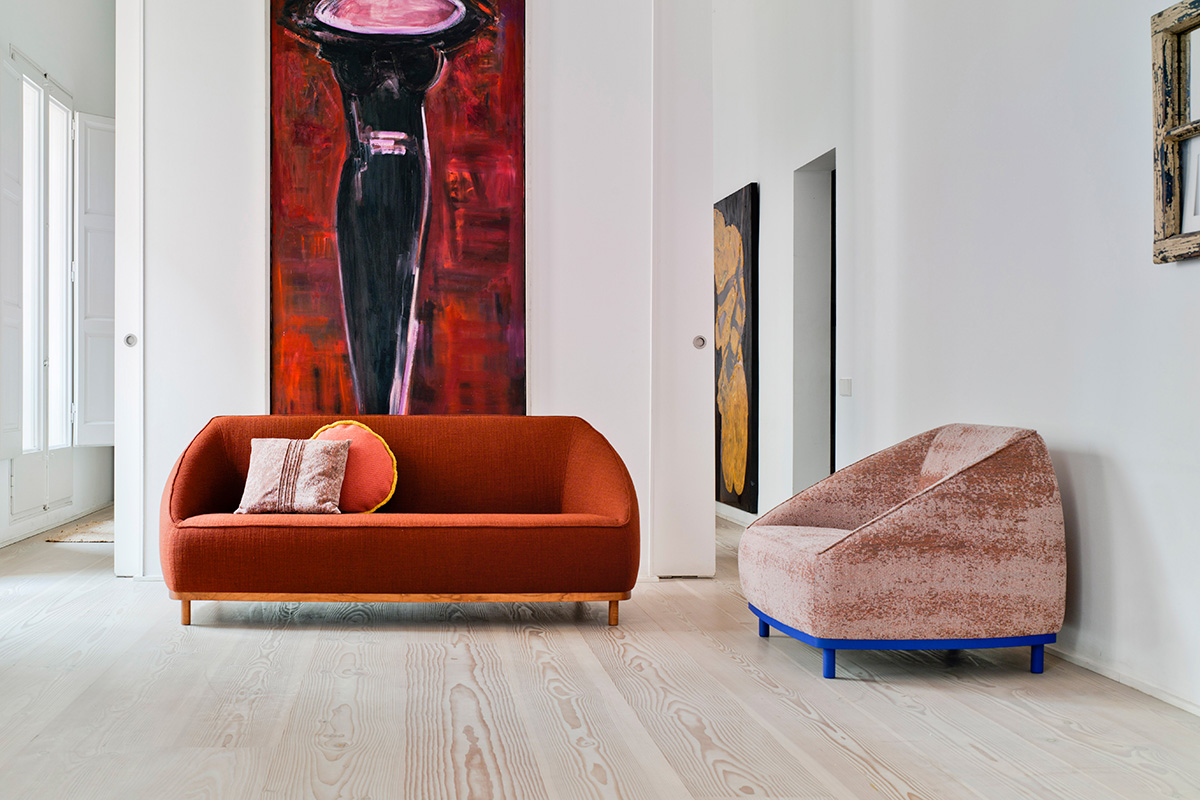
Designed by Yonoh, the Sumo sofa embraces generous volumes and a bold silhouette inspired by Japanese wrestlers. Elevated on distinctive wooden clogs, its visual weight is balanced by an unexpected sense of lightness.
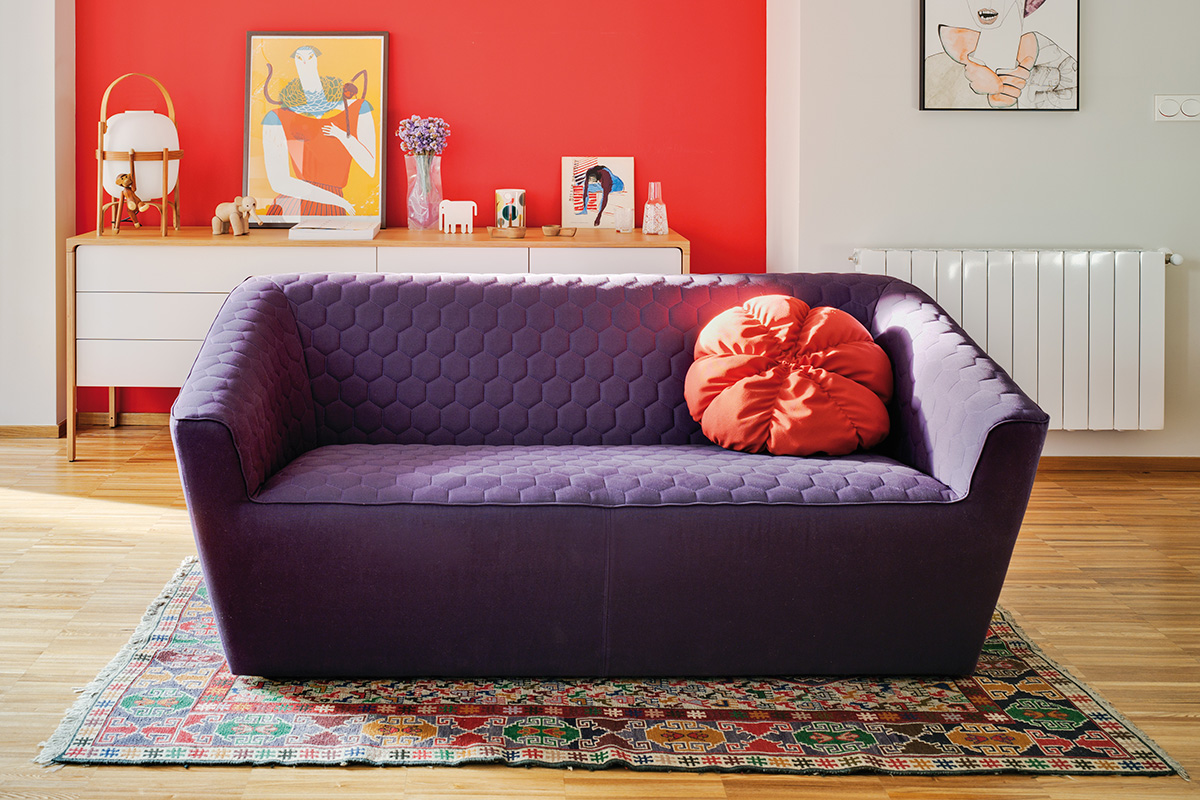
With its faceted geometry and signature hexagonal quilting, the Tea sofa, designed by José Manuel Ferrero, has become one of Sancal’s enduring classics. Elegant, versatile and instantly recognisable, it proves that simplicity can become iconic.
Less doesn’t always mean less. Sometimes, reducing means refining. A compact sofa distils the personality of a design into a smaller volume, demonstrating that presence has little to do with size and everything to do with the clarity of the design itself.